
Layered Haircuts: Simple and Stylish Cuts for Everyday Elegance

Layered Haircuts also improve the overall texture and appearance of the hair. The layers reduce weight from the ends and allow better shape and bounce. This style works well for both short and long hair, making it very flexible. It is also easy to maintain with regular trims. Layered Haircuts give a soft, stylish, and balanced look that stays trendy in every season.
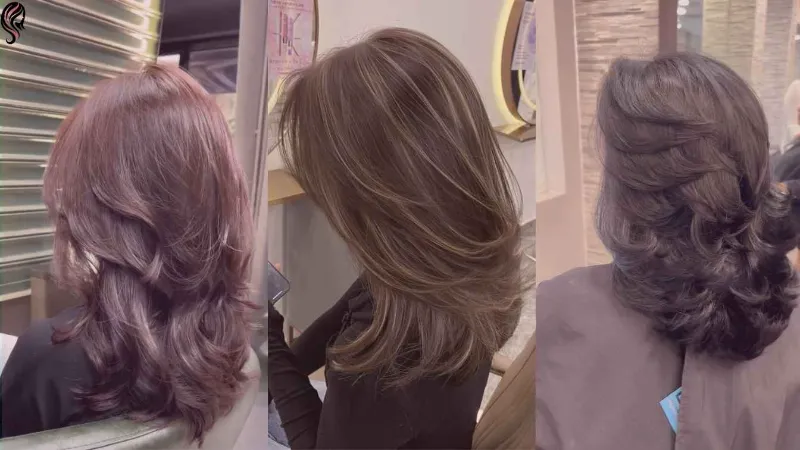
Flat, lifeless hair with no movement? You’re not alone and the fix might be simpler than you think. Layered haircuts are one of the most versatile and transformative techniques in modern hairstyling, adding volume, shape, and personality to virtually any hair type. Whether you want soft face-framing pieces or bold dramatic texture, this guide covers everything you need to find the perfect layered style for you.
In 2026–2027, layered styles have surged back into mainstream popularity thanks to the “lived-in” and “effortless” aesthetic dominating social media. From the curtain-bang shag to the butterfly cut, layered variations are everywhere right now.
The Difference Between Layers and Thinning
Many people confuse layers with thinning. Thinning removes bulk by cutting into the hair strand itself, reducing density without changing the overall length profile. Layers, on the other hand, create visual dimension by varying how long different sections of hair are cut.
You can have both done simultaneously, but they solve different problems. Layers add shape and movement; thinning reduces weight for very thick hair types. Knowing the difference helps you communicate clearly with your stylist.
Style Note
For fine or thin hair, avoid heavy thinning combined with short layers it can make hair appear even sparser at the ends. Opt for long, soft layers instead to create the illusion of fullness.
The Long Layered Cut
The Classic That Never Fails
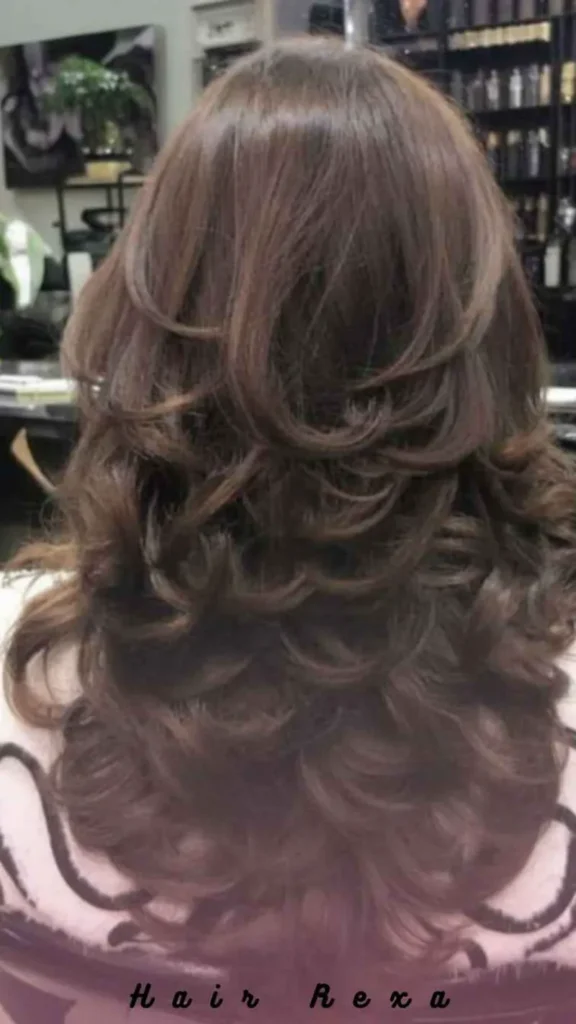
The long layered cut is the gold standard for anyone who wants movement without sacrificing length. Layers are cut throughout the mid-shaft and ends, creating a cascading effect that makes hair look fuller, airier, and more dynamic. It’s one of the most requested layered haircuts in salons globally and for good reason.
This cut works particularly well with hair that’s at least 10 inches long. The longer the hair, the more dramatic the contrast between the shortest and longest layers. Fine hair benefits from more densely spaced layers; thick hair can handle wider gaps between them.
Real-Life Scenario
Sara, 34, had shoulder-length hair that looked “the same for a decade.” Her stylist added long face-framing layers without cutting overall length. The next day, colleagues asked if she’d gotten a blowout she hadn’t. The layers created the illusion of a fresh, styled look with zero extra effort.
Must Read: Pixie Cut Hairstyles Ideas for a Clean and Confident Look
The Shag Cut
Maximalist Layers with Edge
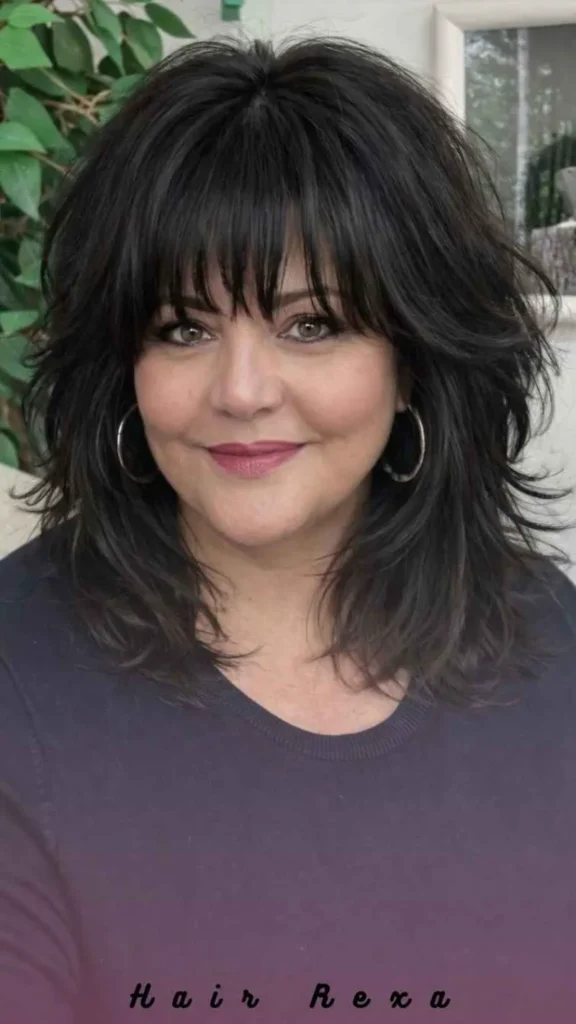
The shag is layered haircuts taken to their bolder conclusion. Characterized by heavy layers throughout, often paired with curtain bangs and a slightly choppy finish, the shag was huge in the 70s and has roared back into 2024–2025 fashion. It works exceptionally well on wavy and naturally textured hair because the layers amplify the natural wave pattern. For straight hair, a texturizing spray becomes your best friend.
Think of the shag as a structured form of controlled chaos. A good shag cut uses razor-cutting or point-cutting at the tips to create a feathered, undone finish. The layers at the crown are the shortest, creating maximum lift while the lower layers graduate in length, giving that iconic silhouette that reads effortlessly cool.
Pro Tip
Ask your stylist for “razored” or “point-cut” layers on a shag rather than blunt layers. The soft, feathered ends blend more naturally and give the authentic effortless-but-intentional look that defines the best shags.
Read More: Oval Face Shape Hairstyles for a Modern and Confident Style
Face-Framing Layers
The Subtlest, Most Powerful Technique
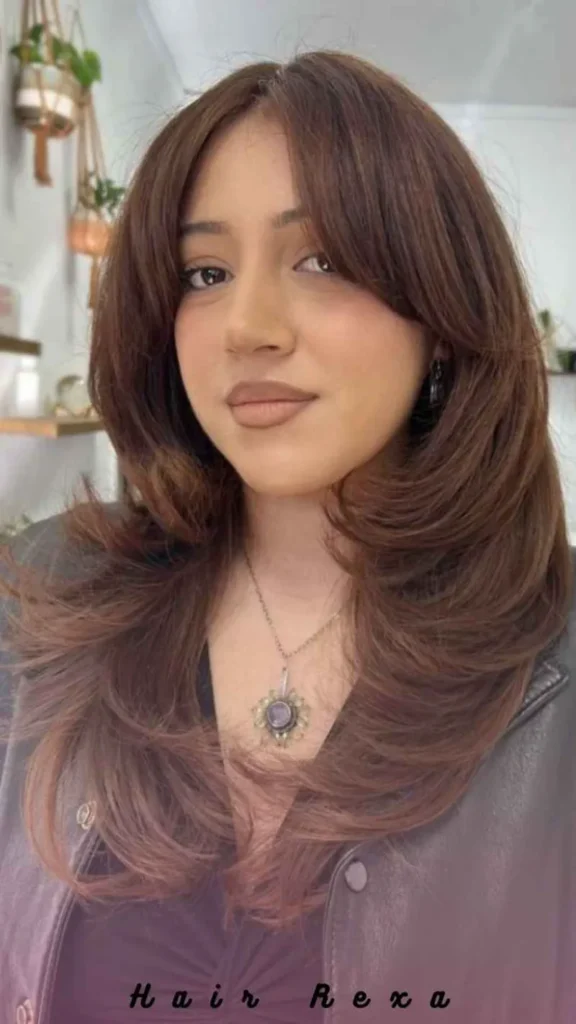
If you want layers that have maximum impact for minimal commitment, face-framing layers are your answer. These are targeted layers cut only around the front sections of the hair falling around the cheekbones and jaw to draw attention to your features. They work on every length, from bobs to waist-length hair, and can be added to an existing haircut without a full restyle. Face-framers are especially powerful for oval, heart, and square face shapes.
This technique is ideal for first-timers who are nervous about committing to full layered haircuts. The rest of the hair remains one length, so if you decide you don’t like the layers, they blend in quickly as hair grows. For anyone with a round or square face shape, face-framing layers are particularly transformative they create the illusion of a slimmer, more defined face.
Style Note
For a softer, more blended look, ask for face-framing layers that start at the chin rather than the cheekbone they’ll be less dramatic but exceptionally wearable for everyday life.
Read Also: Quick Business Casual Hairstyles for Professional Everyday Looks
Layered Bob
Short Length, Big Personality
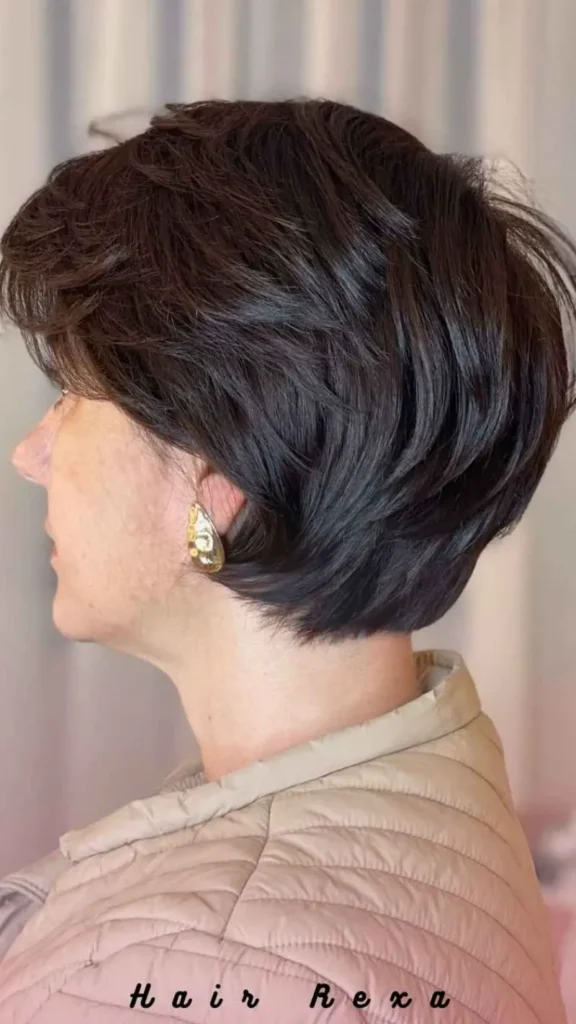
The layered bob takes the classic bob silhouette and gives it depth, movement, and a modern edge. Unlike a blunt bob which can feel heavy and stiff a layered bob uses interior and exterior layers to create a bouncy, lived-in finish. It sits typically between the chin and the collarbone, making it one of the most wearable lengths for most people.
The bob doesn’t have to be one-length and blunt. A layered bob introduces internal layers to create volume and movement within the compact shape. The result is a bob that doesn’t go flat by afternoon one of the most common complaints about traditional bobs. Layered bobs particularly suit those with fine hair who want a short, stylish cut that doesn’t look limp. The layers keep the silhouette looking full and intentional all day.
Mini Case Study
A flat, fine-haired client with a classic jaw-length bob was ready to grow her hair out convinced short cuts “didn’t work on her.” Her stylist added soft internal layers and a slight texture at the ends. The same length suddenly looked 3x fuller. She kept the bob for another two years.
Don't Miss: Curly Hairstyle Ideas for Effortless Styling and Volume
Butterfly Cut
The 2024 Viral Sensation
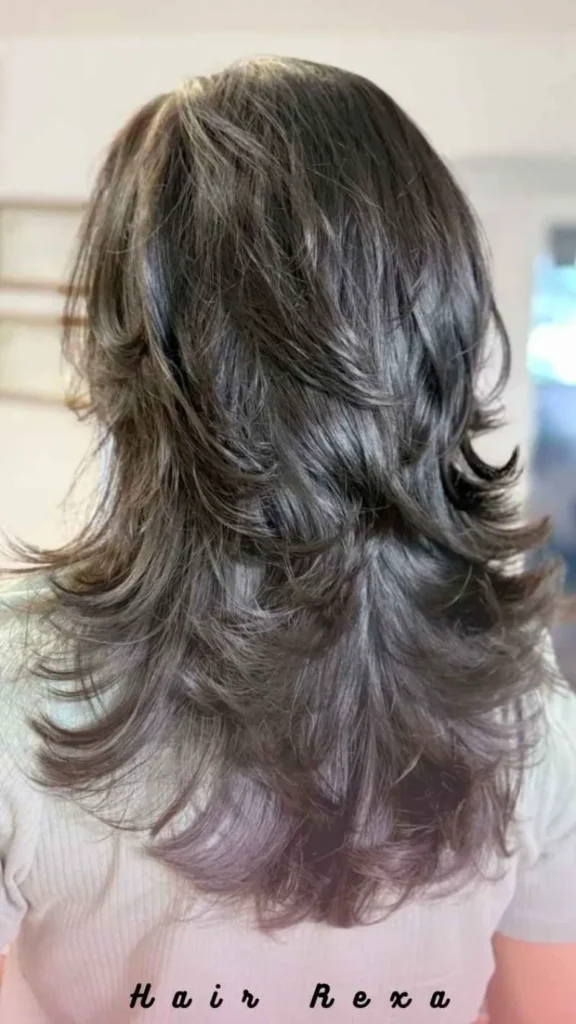
The butterfly cut is one of the most visually striking layered haircuts to emerge in recent years. It features dramatically shorter layers at the crown typically chin to shoulder length that fan out like butterfly wings when the hair falls naturally. The contrast between the short crown layers and the longer lengths below creates a stunning, voluminous silhouette.
This cut works best on long, straight, or slightly wavy hair. When you tuck the top layers behind your ears, the longer underlayer creates a beautiful, seamless curtain of hair. Let it all fall loose and the shorter layers create bold, wing-like volume at the crown. It’s essentially two hairstyles in one.
Pro Tip
The butterfly cut looks its best air-dried or with a diffuser avoid flat irons, which collapse the volume that makes the style distinctive. A light mousse applied to damp hair before diffusing sets the shape beautifully.
Layered Curly Haircut
The Deva Approach
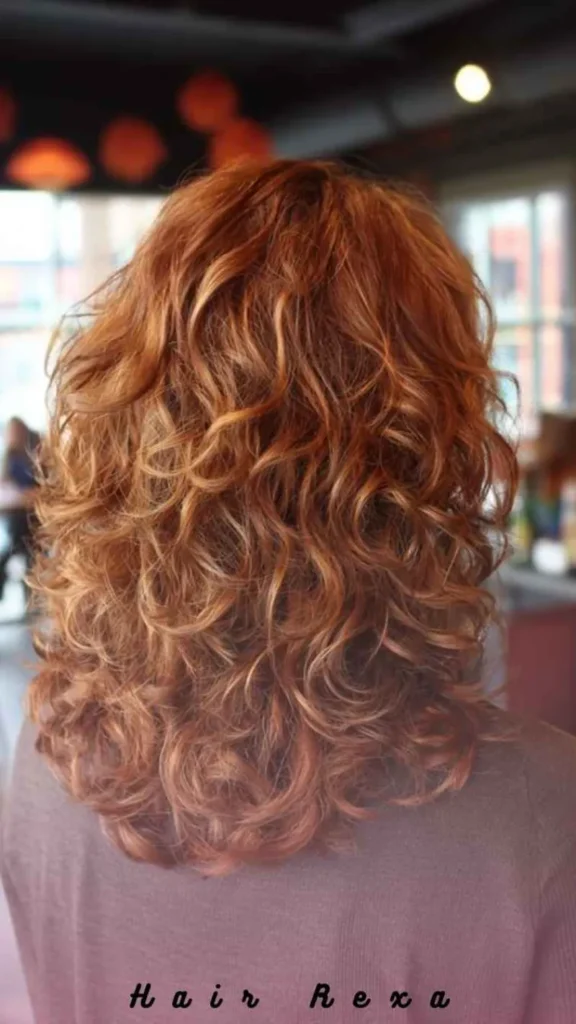
Layering curly hair is both an art and a science. Done correctly, layers eliminate the dreaded “triangle” or “pyramid” shape that curly hair often forms where the roots are flat and the ends fan out excessively wide. Well-placed layers allow curls to stack and coil around each other, creating a rounded, proportional shape with genuine movement.
Curly hair and layers have a uniquely beneficial relationship. Layers remove excess weight that pulls curls down and causes them to lose their spring. A properly layered curly cut ideally done dry, using the “Deva cut” technique allows each curl to coil to its natural shape rather than being stretched out by length. The key is that curly layers should be cut longer than you’d expect, because curls always spring up shorter than they appear when wet.
Style Note
Always seek a stylist trained in curly cutting techniques for a layered curly haircut. Traditional wet-cutting methods can cause uneven results on curly hair, since the curl pattern only fully reveals itself when dry.
Feathered Layers The Retro Revival
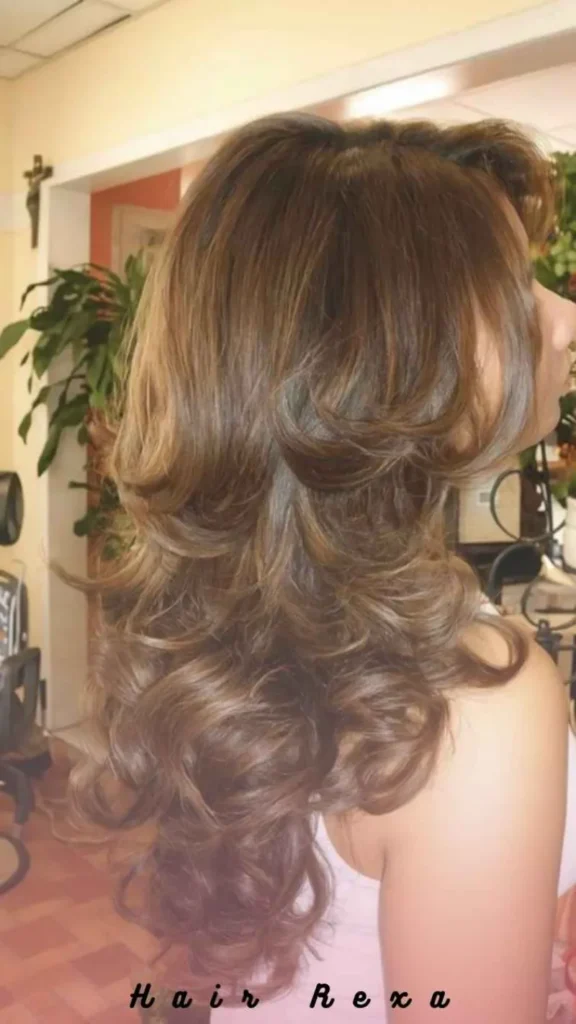
Feathered layers are having a moment again. Popularized in the 70s and 80s, feathering involves cutting and blow-drying layers so they sweep back from the face in soft, wing-like sections. Modern feathered cuts are far more relaxed than their retro counterparts less “Farrah Fawcett” and more soft, romantic 70s editorial. They work beautifully with a round brush blowout and suit medium to long hair with a bit of natural body or wave.
This style works especially well for medium-length hair between the chin and shoulders. It adds incredible volume to fine or flat hair, and the swept-back shape is universally flattering because it opens up the face rather than framing it inward. It’s a great choice for those who want a vintage-inspired look without committing to a full retro aesthetic.
Real-Life Scenario
A stylist in London reported that requests for “feathered layers” largely absent from her consultation notes for a decade tripled in 2026 after several high-profile fashion editorials featured the look. Clients aged 25–45 were specifically referencing the “soft, airy” quality of the style rather than the heavily styled retro version.
Layered Haircuts by Face Shape
What Actually Flatters You
Layers interact with your face shape in specific, predictable ways. The goal is always to create the illusion of an oval face considered the most balanced proportion by adding volume where needed and reducing it where not.
Oval Face Shape
You won the face-shape lottery. Almost every layered style works well. The key is avoiding anything that adds too much width at the sides, which can tip the balance toward a round appearance. Long layers, shags, and butterfly cuts all look exceptional on oval faces.
Round Face Shape
The goal is to elongate. Long, vertical layers that fall past the chin create the illusion of length. Avoid layers that end at the cheekbone they add width. Face-framing layers that angle downward toward the collarbone are ideal.
Square Face Shape
Soft, wispy layers that break up the jaw’s strong line are the winning formula. Face-framers that hit between the cheekbone and jaw soften the angularity beautifully. Avoid blunt layers that end exactly at the jaw they emphasize the squareness.
Heart Face Shape
Heart-shaped faces are wider at the forehead and narrow at the chin. Layers that add volume at or below the chin help balance the proportions. A layered bob or long layers with internal volume at the ends works especially well. Avoid very heavy, voluminous layers at the crown.
Pro Tip
Don’t rely solely on face shape theory. The texture, density, and natural fall of your hair plays an equally important role. An honest consultation with your stylist bringing photo references is far more reliable than generic face-shape rules alone.
Still Deciding? Here’s a Quick Comparison
| Hairstyle | Difficulty | Maintenance | Best Face Shapes | Pros | Cons |
|---|---|---|---|---|---|
| Long Layered Cut | Easy | Low · Trim every 10–12 wks | All shapes | Versatile · grows out gracefully · minimal effort | Less dramatic · doesn’t add volume as well as shorter layers |
| Shag Cut | Medium | Medium · Trim every 8 wks | Oval · Heart · Long | Huge personality · low-key styling · trendy | Can look messy if not maintained · not office-safe for all |
| Layered Bob | Medium | High · Trim every 6–8 wks | Oval · Round · Heart | Full appearance · modern · no flat-hair problem | Grows out awkwardly · needs frequent salon visits |
| Face-Framing Layers | Easy | Low · Add to any cut | Square · Heart · Oval | Subtle impact · works on any length · minimal commitment | Not a standalone look · limited alone for fine hair |
| Butterfly Cut | Advanced | Medium-High · Style daily | Oval · Long | Dramatic volume · on-trend · stunning on waves | Requires styling effort · not for very fine hair |
| Layered Curly Cut | Advanced | Medium · Refresh every 8–10 wks | All shapes | Removes excess weight · enhances curl definition | Must find specialist stylist · result varies by technique |
| Feathered Layers | Medium | Medium · Blowout needed | Round · Oval · Heart | Retro-chic · very flattering · romantic feel | Requires blow-drying skill · not air-dry friendly |
Conclusion
Layered haircuts remain one of the most universally flattering, adaptable, and transformative techniques in hairstyling not because they’re trendy, but because they work. From subtle face-framers to bold shag cuts, layers solve real hair problems: flatness, excess weight, lack of definition, and difficult styling.
The right layered haircut for you is the one that suits your hair texture, face shape, lifestyle, and how much time you’re willing to spend on styling. That answer is rarely the most extreme version of a trend it’s usually a thoughtful variation customized to your hair’s natural behavior.
Practical Tips & Expert Insights
📸
Bring Photo References
Words like “soft layers” mean different things to different stylists. Three reference photos communicate more than ten minutes of description. Pick images of similar hair texture to yours.
✂️
Start Longer Than You Think
If you’re unsure about the length of your layers, always ask your stylist to go longer first. It’s easy to remove more it’s impossible to add back what’s been cut.
💧
Heat Protectant Is Non-Negotiable
Layers mean more exposed surface area. Use a heat protectant spray before any hot tool use especially on the shorter face-framing sections, which are the most vulnerable.
🌿
Deep Condition Regularly
The shorter layers throughout your hair can feel drier than the longer sections. A weekly deep conditioning mask keeps the entire texture uniform and prevents the layers from looking frizzy or disconnected.
🌬️
Diffuse for Natural Volume
Diffusing layered hair (especially wavy or curly types) on low heat rather than rough-drying with a towel preserves the layer definition and prevents frizz at the shortest sections.
📅
Trim on Schedule
Layered cuts look disheveled when they grow out unevenly. Set a trim reminder based on your style every 6 weeks for bobs, 10–12 weeks for long layers. Consistency makes the difference.
FAQ’S About Layered Haircuts
Do layered haircuts damage hair?
No when done correctly, layers don’t damage hair. In fact, they often reduce mechanical damage by removing split-end-prone length in targeted sections. Damage concerns arise from blunt or uneven cuts, not from layering itself.
Can you add layers to a bob?
Absolutely. A layered bob is one of the most popular short-hair options. Internal layers are added to the underside and mid-sections to create volume and movement without changing the overall bob silhouette.
How often should layered hair be trimmed?
Short layered styles (bobs, shags) need trimming every 6–8 weeks. Long layered cuts can go 10–12 weeks. If your layers start to feel stringy or disconnected, it’s time for a trim regardless of the timeline.
Are layered haircuts good for thin hair?
Yes long, soft layers are one of the best techniques for fine hair. They create the illusion of volume and movement. Avoid very short or heavily razored layers, which can make fine hair look sparser at the ends.
What’s the difference between a layered cut and a U-shaped cut?
A U-shaped cut refers to the hemline shape at the back rounded rather than straight or V-shaped. Layers can be added to any hemline shape, including U-cut. They’re different elements of the same haircut, not mutually exclusive.
Hi! I’m Mira Carter, founder of Hair Rexa with 8 years of experience in hair care and styling. I share simple tips, hairstyle ideas, and expert guidance to help you keep your hair healthy, strong, and looking fabulous every day.


