

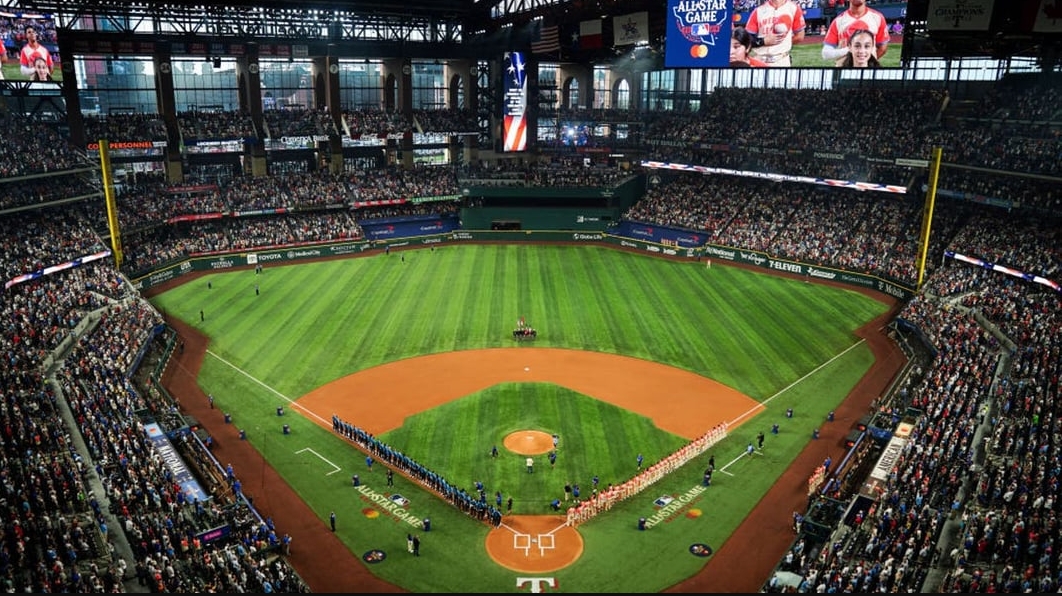
Major League Baseball has a rhythm that makes it easy to follow once the season gets going: long series, changing pitching rotations, intense division races and a postseason in which every game can change the picture. Whether someone checks mlb games before the first pitch or looks up baseball scores after work, a clear view of the calendar helps make sense of the competition. Even a casual search that begins with an unrelated phrase such as crusado casino can lead to a wider sports-reading session, but MLB has its own schedule, standings and results worth following closely.
How the MLB Schedule Is Organised
The mlb schedule is built around a regular season that usually runs from late March or early April through September. Each of the 30 clubs plays 162 games, making consistency just as important as individual performances. A team can have an excellent week and still need months of steady results to secure a playoff place.
MLB is divided into two leagues:
- American League (AL)
- National League (NL)
Each league contains three divisions: East, Central and West. This structure shapes much of the season. Teams meet division rivals regularly, while interleague games bring American League and National League clubs together.
What a Typical Week Looks Like
Most teams play a series of games against the same opponent before moving on to the next club. A series commonly lasts three games, although some last two or four. This format gives supporters a better sense of how teams match up than a single isolated result.
For example, a club might open a week with a three-game home series against a division rival, travel for a weekend set and then return home. The schedule also includes rest days, travel periods and occasional doubleheaders.
A doubleheader means two games between the same teams on one day. These fixtures can appear when an earlier game has been postponed because of rain or other conditions. They require careful attention because the starting pitchers, line-ups and available bullpen options may differ between the two games.
Where to Find Upcoming MLB Games
The easiest way to follow upcoming fixtures is to check the official league calendar or a reliable sports results service. A useful schedule should show more than just the names of the teams. It should include the date, start time, venue and, when available, probable starting pitchers.
Details That Matter Before First Pitch
A few pieces of information can make a fixture listing much more useful:
- Date and local start time: MLB teams play across several US time zones, so a game listed for the evening in California may begin well after midnight in Central Europe.
- Home and away teams: The home club usually bats in the bottom half of each inning and has the advantage of playing in its own stadium.
- Starting pitchers: The announced starters often influence expectations because pitching matchups can shape the pace and likely scoring of a game.
- Venue: Ballpark dimensions, weather and playing conditions can affect how a game develops.
- Series context: A matchup may be the first game of a series or the deciding contest after the teams have split the previous meetings.
For instance, a supporter in Germany checking a game scheduled for 7:10 p.m. in New York should remember that the local time in Germany is normally six hours ahead. During parts of the year, daylight-saving changes can alter the difference, so checking the converted start time is worthwhile.
The MLB Calendar: Regular Season, All-Star Break and Playoffs
The baseball calendar has several distinct stages, each with its own atmosphere and priorities.
Spring Training
Spring Training takes place before the regular season, generally in February and March. Clubs use this period to prepare players, test line-ups and decide which prospects are ready for the major leagues. Results matter less than they do during the regular season, but the games offer a first look at new signings and returning players.
The two main Spring Training areas are Florida’s Grapefruit League and Arizona’s Cactus League. The locations make the pre-season a popular period for fans who want to watch several teams without following the regular-season travel schedule.
Regular Season
The regular season is the longest part of the MLB year. Every club has 162 games, and the standings gradually reveal which teams are genuine contenders. A strong start can create momentum, but injuries, pitching depth and difficult stretches of away games can change a club’s position.
Division matchups are especially important. A team competing for the top spot in its division has repeated opportunities to gain ground directly against its closest rivals. That makes a three-game series in July or August potentially significant even when the postseason is still weeks away.
All-Star Break
The All-Star period usually arrives around the middle of July. It includes the All-Star Game, featuring selected players from both leagues, as well as related events such as the Home Run Derby. The break provides a short pause in the regular-season schedule and gives supporters a chance to see leading players together.
Postseason
The playoffs begin after the regular season and lead to the World Series. The expanded postseason format includes division winners and wild-card qualifiers. Teams progress through a series of rounds, with the World Series deciding the champion.
The format makes late-season standings important. Winning a division can provide a more favourable route through the playoffs, while a wild-card place may leave a club facing a difficult opponent early in October.
Latest Baseball Scores: What Happened in the 2026 Season?
As of November 18, 2026, the MLB regular season and playoffs are over. There are no regular-season or postseason games scheduled for the immediate future. The latest major results come from the World Series, which ended on October 28.
The biggest story of the year belonged to the Milwaukee Brewers. They defeated the Tampa Bay Rays 4–1 in the World Series, earning the first championship in franchise history. The series lasted five games and included several close contests.
2026 World Series Results
| Game | Final score |
|---|---|
| Game 1 | Brewers 3–2 Rays |
| Game 2 | Brewers 5–4 Rays |
| Game 3 | Brewers 10–1 Rays |
| Game 4 | Rays 4–3 Brewers |
| Game 5 | Brewers 4–1 Rays |
Milwaukee established control early, winning the first three games. Tampa Bay avoided a sweep with a narrow victory in Game 4, but the Brewers finished the series in the fifth matchup. Catcher William Contreras received the World Series MVP award.
These results also show why checking individual scores matters. A 10–1 victory tells a different story from a 3–2 result, while a close Game 4 demonstrated that Tampa Bay remained competitive even when facing elimination.
Upcoming MLB Matchups: What Comes Next?
With the 2026 campaign complete, attention has shifted to the offseason and preparations for 2027. The next scheduled Spring Training games are due to begin on February 19, 2027, subject to the outcome of collective bargaining negotiations. The regular season is scheduled to open with a special game on March 24, followed by traditional Opening Day on March 25.
The 2027 calendar also includes several dates worth keeping in mind:
- March 24: Scheduled Opening Night game.
- March 25: Traditional Opening Day, with 14 games planned.
- July 12: Home Run Derby at Wrigley Field in Chicago.
- July 13: MLB All-Star Game at Wrigley Field.
- September 26: Scheduled final day of the regular season.
The matchups for some special events and individual opening fixtures may be announced or updated closer to the dates. It is therefore useful to distinguish between a published season calendar and a confirmed daily list of games.
Why the Offseason Still Matters
The months without regular games are far from quiet. Clubs negotiate with free agents, consider trades, review their rosters and decide which players should receive contract extensions. These moves can change the balance of a division before the first pitch of the next season.
The 2026–27 offseason also has an important labour issue: the current collective bargaining agreement is scheduled to expire on December 1, 2026. If a new agreement is not reached, a lockout could affect preparations for the next season.
How to Read Baseball Scores
A baseball score is more than a simple indication of which team won. Most scoreboards show the runs scored by each team in every inning, followed by the total.
For example, a result of 4–2 means one team scored four runs and the other scored two. The inning-by-inning breakdown explains when those runs were made. A team might score three times in the first inning and add one more in the seventh, while its opponent scores twice in the final innings.
A few common abbreviations also appear in MLB results:
- R (Runs): Total runs scored.
- H (Hits): Number of successful hits.
- E (Errors): Defensive mistakes recorded by the official scorer.
- W (Win): Pitcher credited with the victory.
- L (Loss): Pitcher charged with the defeat.
- SV (Save): A relief pitcher credited with protecting a lead in a qualifying situation.
Understanding these details makes it easier to compare two performances. A club might win 5–3 despite recording fewer hits because it made better use of scoring opportunities or benefited from defensive errors.
Following MLB Games Throughout the Year
The most useful way to follow MLB is to combine the fixture calendar with live results and standings. Before a game, the schedule shows when and where the teams meet. During the matchup, live updates reveal the score, inning and key events. Afterwards, the final result helps explain how the game affects the division race or playoff picture.
For international supporters, time zones deserve particular attention. Many games begin in the evening in the United States but take place after midnight in Europe. Checking the local start time in advance can prevent missed first pitches.
The 2026 season has now delivered its final result, with Milwaukee celebrating a historic championship. The next major stage is the offseason, followed by Spring Training and the opening of the 2027 campaign. Until then, the completed mlb schedule, final baseball scores and confirmed upcoming dates provide a useful overview of where the league stands and what comes next.
