
Trendy Ponytail Hairstyles for a Fresh and Modern Look

Most people treat a ponytail like a last resort something you throw together when you’re running late or your hair just won’t cooperate. But here’s what professional stylists know that most of us don’t: a ponytail is actually one of the most versatile and flattering hairstyles you can wear. It just needs to be done right.
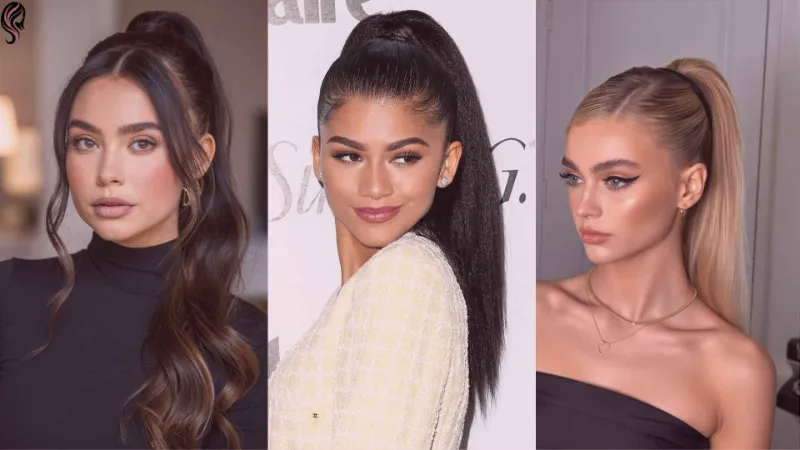
Whether you’re dealing with fine, straight strands that fall flat, thick curly hair that fights every elastic, or color-treated locks that need gentle handling there is a ponytail style built for your hair. In this guide, you’ll get 11 distinct ponytail hairstyles, each with styling steps, real-use scenarios, pro tips, and face-shape guidance that most articles skip entirely.
Quick Definition:
A ponytail hairstyle is a style where hair is gathered and secured at the back, side, or top of the head using a hair tie, clip, or elastic, with the remaining length hanging freely. Variations differ in height, texture, accessory use, and technique.
Sleek High Ponytail
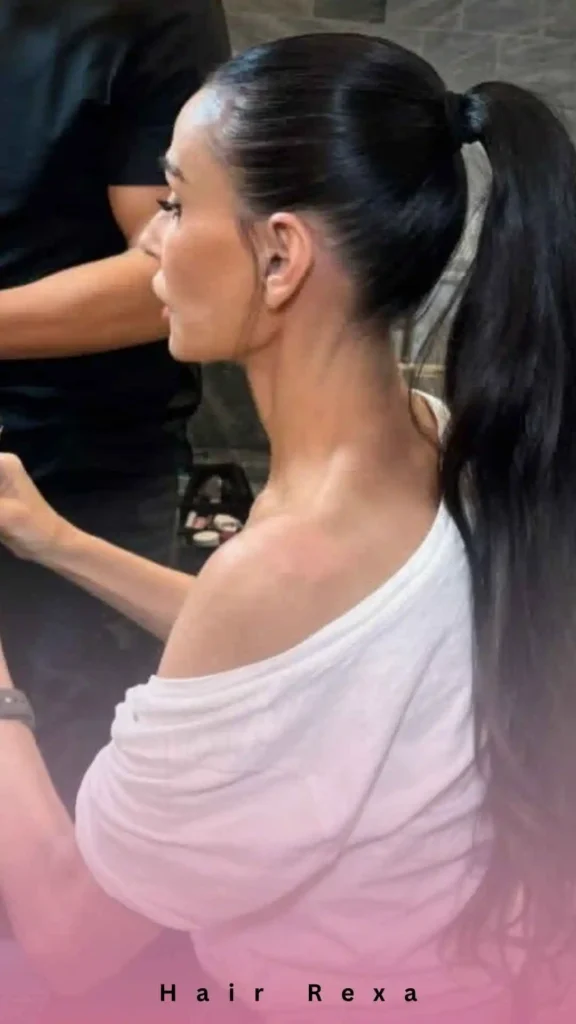
The sleek high ponytail is the original power move. Worn at crown height with zero flyaways and a mirror-smooth surface, it communicates confidence without trying too hard. Celebrities and models reach for it constantly because it elongates the neck, lifts the face, and photographs beautifully from every angle.
To get the true sleek finish, don’t just brush and tie. Apply a small amount of smoothing cream to damp hair, blow dry in a downward direction, then gather hair upward while using a paddle brush. Secure with a covered elastic, then wrap a thin section of hair around the base to hide the tie that single detail transforms the entire look.
Who it flatters most
The sleek high ponytail works best on oval, heart, and oblong face shapes. If you have a round face, it actually creates the visual illusion of length making it one of the most flattering choices for round-faced women who feel limited by their options.
Pro Tip
Use two elastics instead of one. Place the first at the base, then fold the tail back through a second elastic positioned two inches below. It creates a fuller, rounder shape at the top and distributes weight so the style stays elevated longer without slipping.
Bubble Ponytail
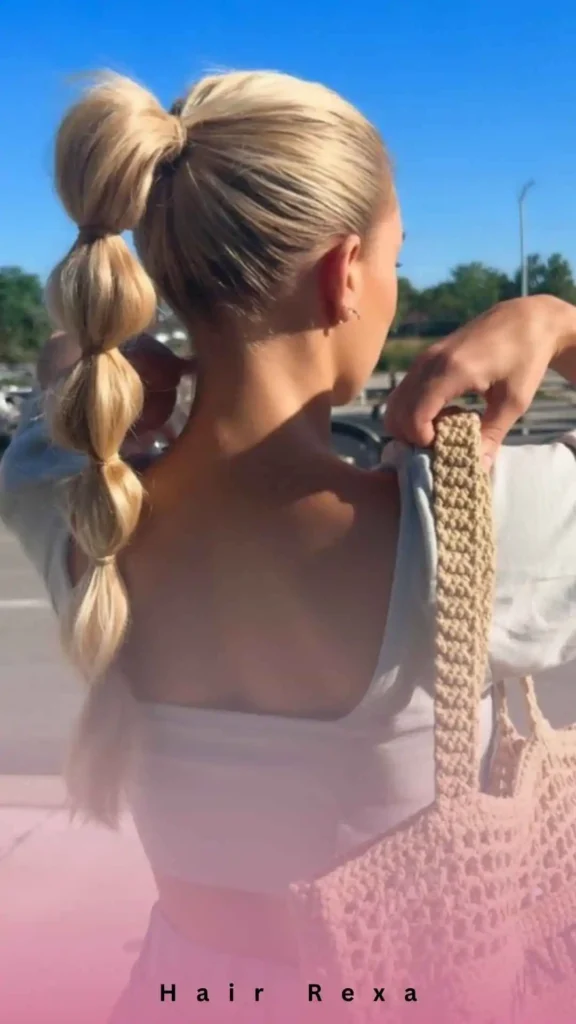
If you want a hairstyle that generates genuine conversation, the bubble ponytail delivers every time. Made by adding equally-spaced elastics down the length of a ponytail and gently pulling each section outward to create a rounded “bubble” shape, it works on medium to long hair and reads as playful but put-together.
Space your elastics about two to three inches apart depending on hair length. After securing each one, use your fingers to pull the hair between each elastic outward in all directions this creates the signature bubble shape. For fine hair, backcomb each section gently before pulling it out to add volume.
Real Life Scenario
Amara, a 27-year-old teacher, started wearing a bubble ponytail to school after struggling to find a hairstyle that felt “fun without being unprofessional.” She found that the style stayed neat through a full teaching day but felt elevated enough to go straight to a dinner event afterward zero re-styling needed.
Low Wrapped Ponytail
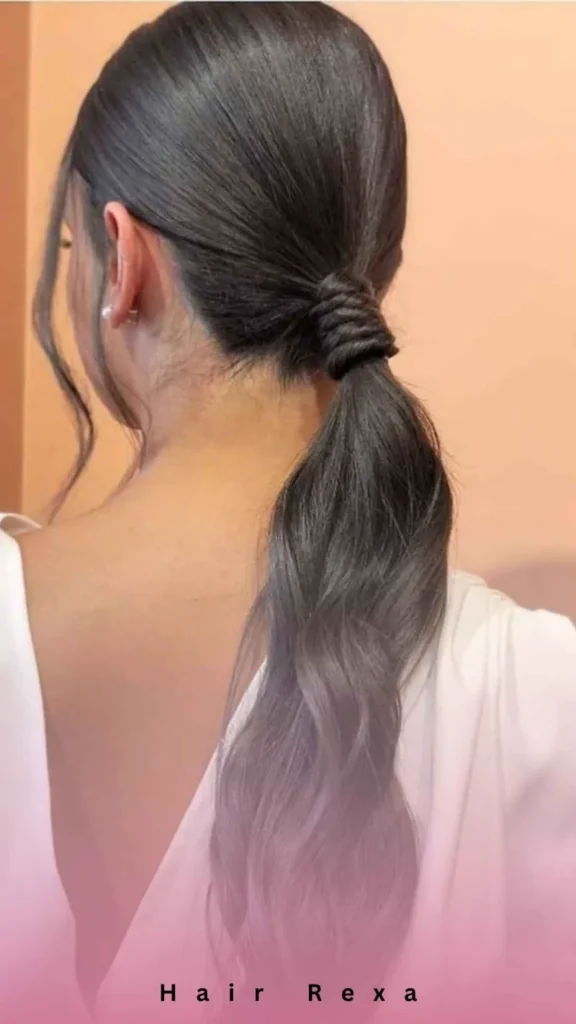
A low wrapped ponytail is a simple and stylish hair look. It sits at the back of the neck and looks neat. A small section of hair is wrapped around the hair tie for a clean finish. This style is also common in many Ponytail Hairstyles because it looks elegant and easy. It works well for school, office, or casual days.
This hairstyle is perfect when you want a soft and polished look. It does not take much time and needs very few tools. You can make it with straight or slightly wavy hair. It also keeps hair in place all day without feeling heavy. Many people choose it for a simple and classy everyday style.
Expert Insight
Low ponytails require more prep than high ones because imperfections are visible at a much closer range. If you’re wearing this style to a formal occasion, use a rat-tail comb to create your center or side part before gathering a clean, precise part reads as far more intentional than a rough one.
Messy Textured Ponytail
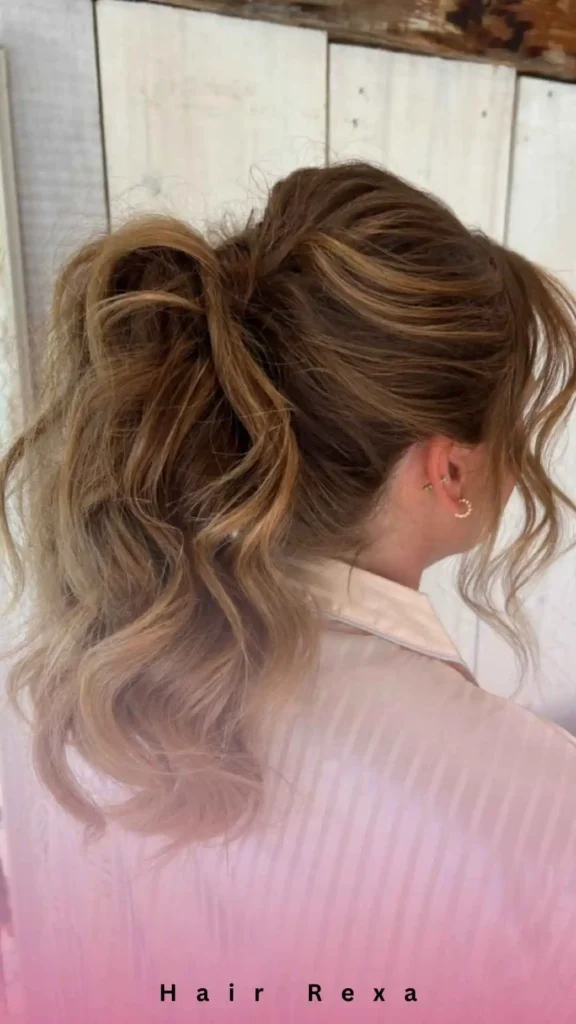
Here’s the style that confuses people most: the messy ponytail is not actually messy. It’s strategically undone. There’s a clear difference between a ponytail that looks effortlessly tousled and one that just looks like you didn’t try and that difference lives entirely in the preparation and product use.
Start with day-two or day-three hair, which has natural texture that fresh-washed hair lacks. Work a small amount of texturizing paste through the mid-lengths and ends, scrunch, and gather loosely at a mid-height position (between crown and nape). Pull a few face-framing pieces out at the front, and gently tug the elastic downward so the tail sits slightly loose. Done correctly, it should look like you spent 3 minutes on it even if you spent 10.
Works especially well for
This style was made for wavy and naturally textured hair types. Straight, fine hair requires product work to get the needed grip and volume, but it’s absolutely achievable with the right texturizing spray applied before gathering. Curly hair benefits from defining the curl pattern first, then gathering loosely to preserve the shape.
Style Note
The ponytail position determines the whole vibe. Mid-height reads as casual-chic and works for daytime. Drop it lower and it becomes evening-appropriate. Raise it higher and it shifts into sporty territory same messiness, completely different occasion.
Half-Up Ponytail
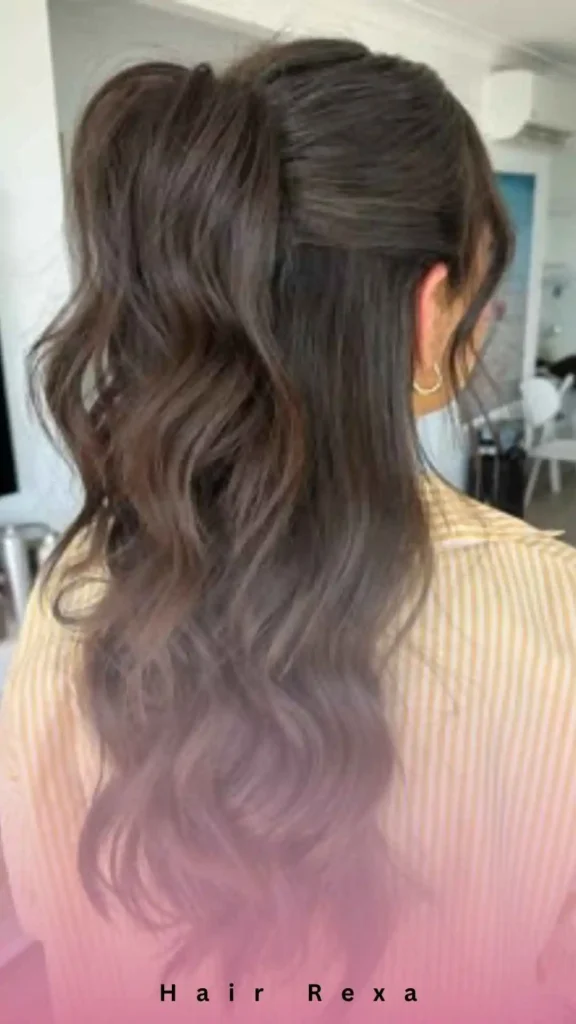
A half-up ponytail is a simple and stylish hair look. It keeps part of the hair tied and the rest open. This style works well for casual and daily wear. Many people love it in Ponytail Hairstyles because it looks neat and soft at the same time.
This hairstyle is easy to make in just a few minutes. You only need to take the top section of your hair and tie it back. It gives a light and fresh look without too much effort. You can also add clips or bands to make it more pretty and trendy.
Pro Tip
For fine hair, backcomb the crown section lightly before gathering for the half-up. This creates hidden root volume that makes the top section look twice as full in the final style. Secure after backcombing and don’t brush over it just smooth the surface gently.
Side Ponytail
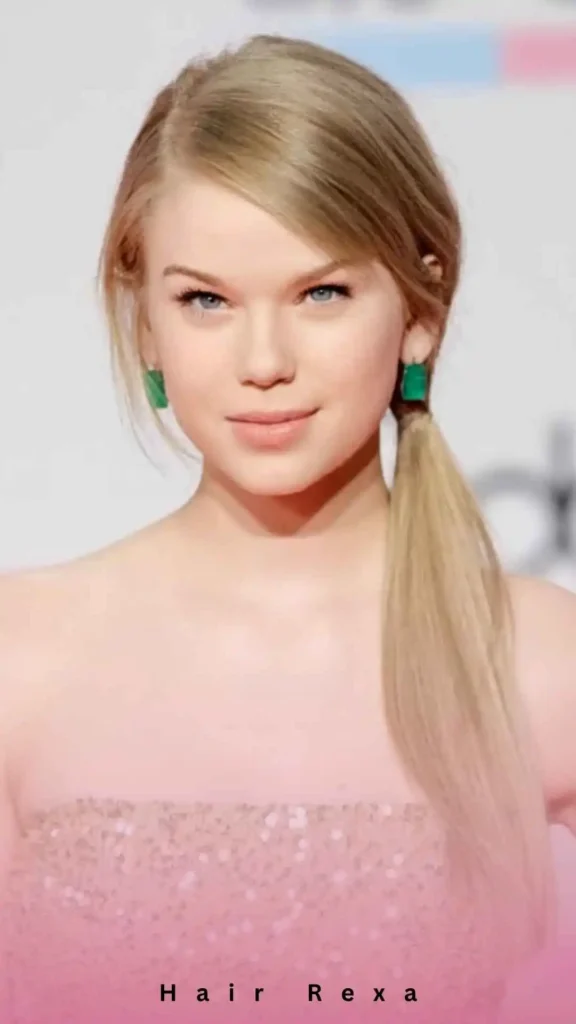
A side ponytail is a simple and stylish hair look. It is made by gathering all the hair to one side of the head. This style looks soft, cute, and easy to manage. It works well for school, work, or casual days. Many people love it because it takes very little time and still looks neat in Ponytail Hairstyles trends.
This hairstyle can be worn high or low on one side depending on your mood. You can also add curls or waves to make it look more beautiful. A side ponytail also goes well with accessories like clips or ribbons. It is a quick choice when you want a fresh and pretty look without effort.
Expert Insight
Face shape matters enormously with the side ponytail. It is particularly flattering on square face shapes because the asymmetry softens the jawline. It’s less recommended for those with very round faces as it can inadvertently widen the perception of face width a higher placement generally corrects this, though.
Voluminous Curly Ponytail
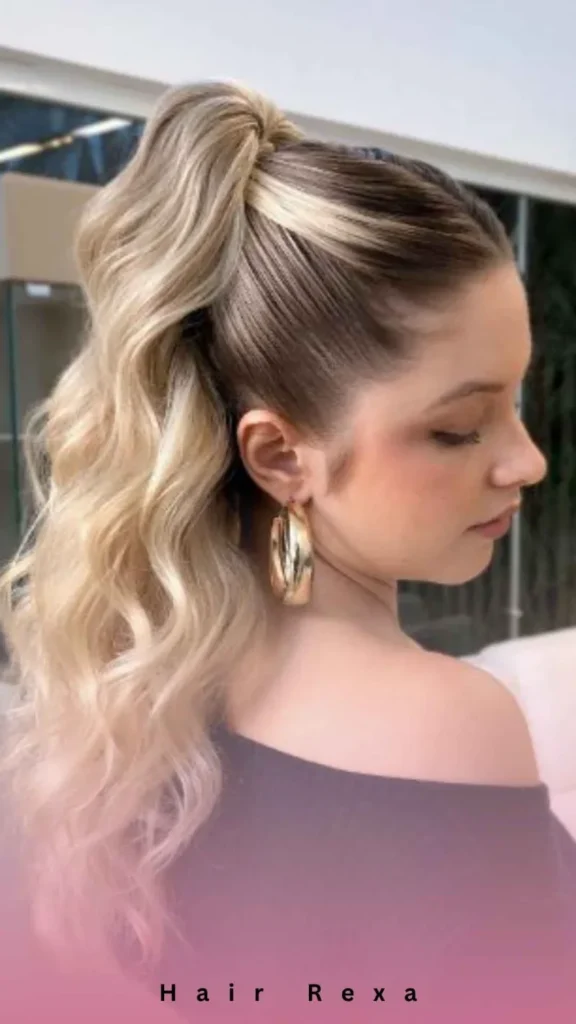
For natural curls and coils, the ponytail is less about sleekness and more about celebrating volume and curl definition. A voluminous curly ponytail gathered high with the curl pattern preserved and allowed to spring freely is one of the most celebrated styles in natural hair communities because it honors the hair’s texture rather than fighting it.
The critical rule: never brush curly hair dry before gathering it into a ponytail. This causes frizz and disrupts the curl pattern completely. Instead, work with hair that’s been washed, conditioned, and styled while damp. Once dry, gather gently using your hands (not a brush), and use a satin-lined scrunchie or claw clip to avoid breakage.
Style Note
Curl type determines gathering technique. Type 3 (spiral) curls can tolerate more gathering tension and still bounce back. Type 4 (coil and zig-zag) curls need a very loose gather with a soft, protective elastic to maintain definition and prevent stress on fragile strands at the hairline.
Braided Ponytail
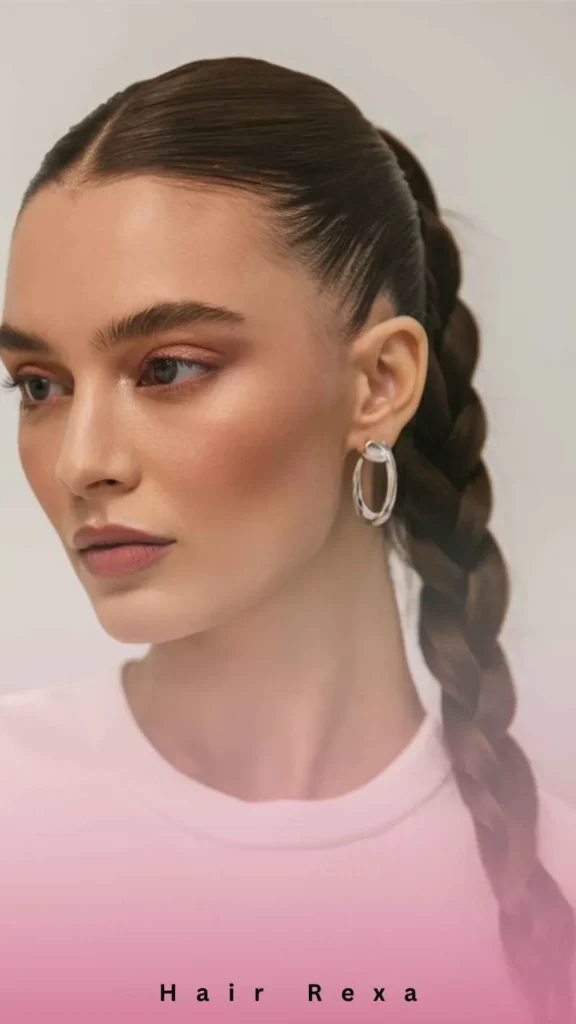
A braided ponytail is a stylish and easy hair option for many girls and women. It mixes simple braids with a tied ponytail look. This style keeps hair neat and clean all day. It also works well for school, work, or casual outings. Many people love this look because it is quick and still looks trendy. In Ponytail Hairstyles, the braided ponytail is one of the most popular choices for a fresh and cute style.
This hairstyle also helps protect your hair from tangles and damage. You can try a single braid or multiple small braids before tying the ponytail. It gives a soft and elegant look without much effort. You can also add hair accessories like clips or ribbons for a more beautiful finish. It suits both long and medium hair types easily. This makes it a great everyday option for a simple yet stylish appearance.
Pro Tip
For a Dutch or French braid incorporated into the crown before gathering, work with hair that has light texture product in it rather than freshly cleaned silky hair. Slippery clean hair constantly falls out of braids. A light texturizing spray gives the sections the grip they need to stay woven together throughout the day.
Sleek Wet-Look Ponytail
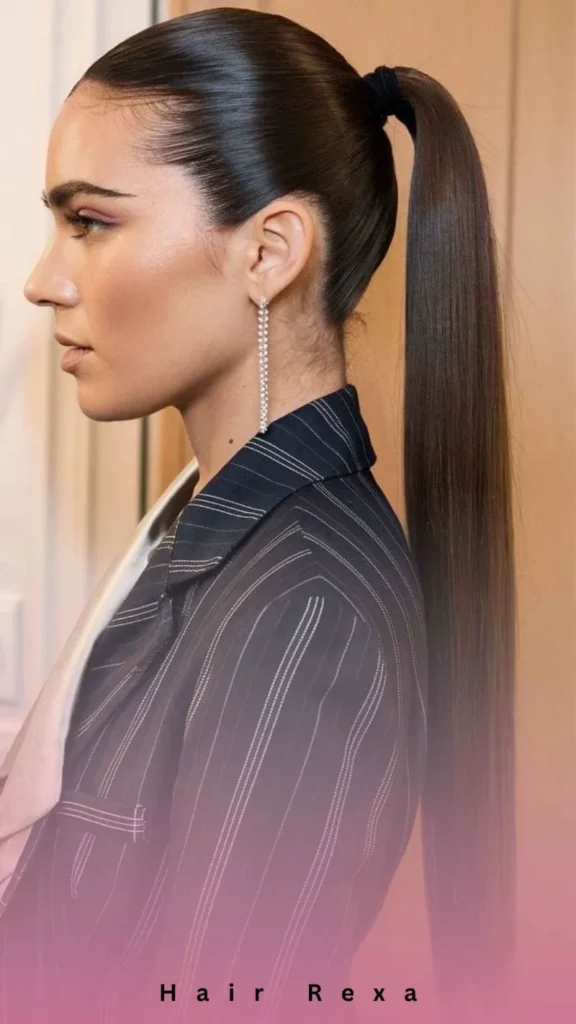
The wet-look ponytail has been a red-carpet fixture for several years now and shows no sign of retreating. The style mimics the appearance of freshly washed, slicked-back hair held in place with strong hold product giving a high-fashion finish that photographs brilliantly and works particularly well for evening events, editorial shoots, and fashion-forward occasions.
Apply a strong-hold gel (not wax or pomade) to damp hair, working it evenly from roots to ends. Brush back and gather high the higher the ponytail, the more dramatic the overall effect. The key to avoiding the “helmet head” outcome is applying the gel in thin, even layers rather than one heavy application, which can look cakey or cause uncomfortable stiffness.
Expert inshight
The wet-look works best on hair with either a natural shine or recently conditioned and treated hair. Dry, porous, or damaged hair will absorb the gel unevenly, creating a patchy rather than glassy finish. A deep conditioning treatment 24–48 hours before styling ensures the hair cuticle is smooth enough to reflect light the way the style requires.
Double High Ponytail (Pigtail-Style)
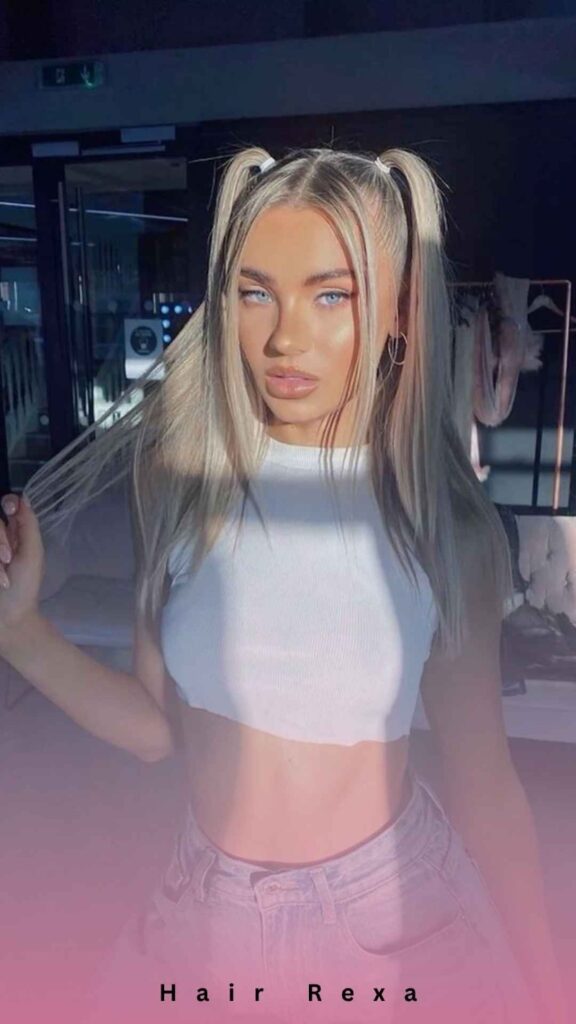
Two is better than one when it comes to high ponytails placed symmetrically on either side of the head. The double high ponytail reads as playful and youthful but, when done with the right textures and accessories, crosses into genuinely stylish territory. It’s particularly popular in streetwear-adjacent aesthetics and fashion-forward casual dressing.
Part your hair precisely down the center use a rat-tail comb for a clean line. Gather each side at the crown, keeping both sections perfectly level with each other. Uneven placement is the most common flaw in this style and creates a lopsided appearance that undermines the whole look. A wide-tooth comb held horizontally across the crown helps verify the level before securing.
style note
Add matching accessories to both ponytails for a coordinated finish butterfly clips, bows, or matching scrunchies. The double ponytail is inherently more playful than other styles, so lean into it with accessories rather than fighting the aesthetic. Matching both sides precisely is key to looking put-together versus chaotic.
Accessorized Ponytail
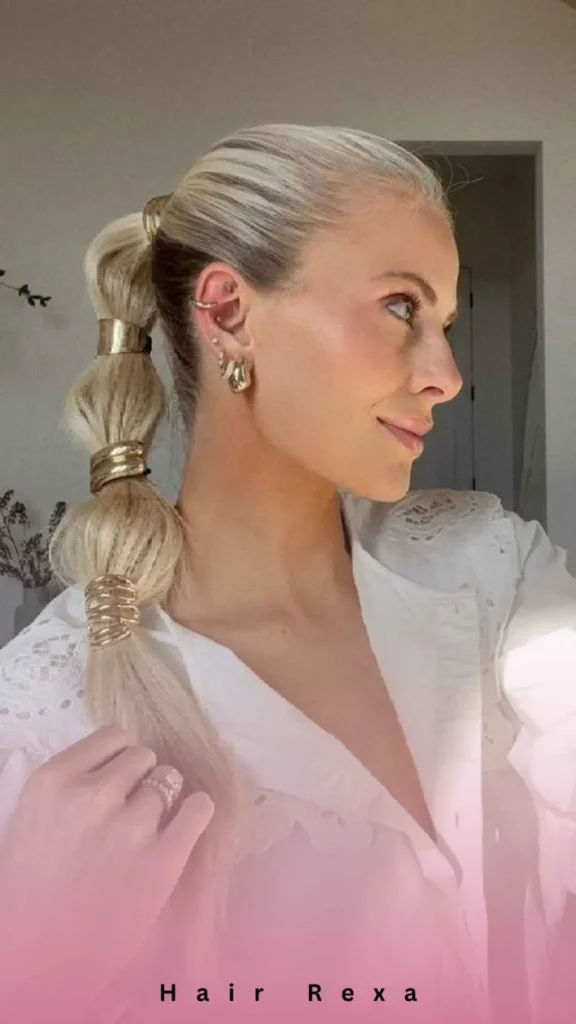
Accessorized ponytail looks stylish and modern. You can add clips, ribbons, beads, or scrunchies to make it more attractive. It is an easy way to upgrade a simple look. Many people love Ponytail Hairstyles because they are quick and flexible for daily use.
This style works for school, work, or parties. You can match accessories with your outfit for a better look. It gives a fresh and trendy feel without much effort. Even a basic ponytail becomes special with small details and simple add-ons.
pro tip
Layer two different accessory types for a more complex look for example, a silk ribbon tied over an elastic with a small hair cuff placed two inches down the tail. This creates visual layering along the ponytail that draws the eye down the length and adds editorial depth to a style that would otherwise read as simple.
Still Deciding? Here’s a Quick Comparison
| Hairstyle | Difficulty | Maintenance | Best Face Shapes | Pros | Cons |
|---|---|---|---|---|---|
| Sleek High Ponytail | Medium | Low | Oval, Heart, Round | Polished; elongates face; professional | Scalp tension; not ideal for fine hair |
| Bubble Ponytail | Medium | Low–Med | All shapes | Fun, unique; adds volume; social media-worthy | Needs multiple elastics; can fall flat on fine hair |
| Low Wrapped Ponytail | Easy | Low | All shapes | Elegant; works for formal events; very gentle on hair | Imperfections visible; requires precise prep |
| Messy Textured Ponytail | Easy | Very Low | Oval, Round, Square | Effortless look; works on day-2 hair; trendy | Hard to replicate consistently; humidity-sensitive |
| Half-Up Ponytail | Easy | Very Low | All shapes | Best of both worlds; very versatile; adds crown volume | Shorter hair may not hold section in place |
| Side Ponytail | Easy | Low | Square, Oval | Asymmetrical and modern; great with waves | Can widen round faces; less workplace-neutral |
| Voluminous Curly Ponytail | Medium | Medium | Oval, Oblong, Heart | Celebrates natural texture; striking silhouette | Frizz-prone; requires moisture prep; shrinkage can affect size |
| Braided Ponytail | Medium | Low–Med | All shapes | Protective; elegant; holds up all day | Takes more time; braid technique practice needed |
| Sleek Wet-Look Ponytail | Medium | Low | Oval, Heart | High fashion; great for events; photographs brilliantly | Heavy product use; not for everyday; drying for hair |
| Double High Ponytail | Easy | Low | Oval, Oblong | Playful and unique; fun for casual events and festivals | Very casual; not office-appropriate; needs precise symmetry |
| Accessorized Ponytail | Easy | Low | All shapes | Elevates any base style instantly; highly customizable | Accessory cost; clip quality matters; can snag fine hair |
Conclusion
Ponytail Hairstyles are simple, stylish, and perfect for every day. They work well for school, work, parties, and special events. You can choose sleek, messy, high, or low ponytails based on your mood and hair type. These hairstyles also save time and keep your hair neat while still looking fashionable and modern.
The best thing about Ponytail Hairstyles is their flexibility and easy styling. They look great on short, medium, and long hair. With the right accessories and small changes, one ponytail can create many different looks. Try new styles and find the one that matches your personality and daily routine perfectly.
Expert Insights for Ponytail Styling
These are the strategies that professional stylists use consistently insights that make the difference between a ponytail that lasts and one that falls apart by noon
Height Changes Everything
Move your ponytail placement just one inch up or down and the entire tone of the style shifts. High = energetic and polished. Mid = casual and approachable. Low = elegant and understated.
Always Prep Your Hair First
Apply a heat protectant before any blow-dry or heat-based styling. Heat-prepped hair holds ponytail styles significantly longer and suffers less breakage at the elastic point.
Use Snag-Free Elastics
Standard rubber bands break hair at the point of contact over time. Snag-free fabric elastics or spiral hair coils eliminate breakage while holding just as firmly.
Never Tie in the Exact Same Spot Daily
Repeated tension on the same section of hair causes a line of breakage called “ponytail damage” or traction alopecia over time. Alternate your ponytail height regularly.
Face-Framing is Non-Negotiable
Even a single thin piece pulled loose at each temple softens a ponytail and makes it look 10x more intentional. Don’t skip this step regardless of the style you choose.
Finish with the Right Product
Sleek styles need a shine spray. Textured styles need a light-hold spray or wax. Curly styles need anti-frizz serum on the tail. Matching your finishing product to your style type is the final step most people skip.
FAQ’S About Ponytail Hairstyles
What ponytail hairstyle is best for thin, fine hair?
The best ponytail for fine hair is a sleek high ponytail with a volumizing booster elastic, or a messy textured ponytail built with texturizing spray. Both create the illusion of more volume than actually exists. Avoid the wet-look style, which can flatten fine hair completely and emphasize its thinness.
How do I make a ponytail last all day without it drooping?
Use two elastics (a hidden booster elastic at the base and the visible one over it), start with slightly damp or textured hair rather than freshly cleaned slippery hair, and finish with a light-hold hairspray. Avoid high ponytails immediately after washing the hair is too smooth and slippery to hold position reliably.
Are ponytails bad for hair health?
Only when worn too tightly, too frequently in the same spot, or with damaging rubber elastics. Varying your ponytail height, using fabric or coil elastics, and ensuring the style isn’t pulling on your scalp keeps ponytail wearing well within safe styling habits. Occasional very tight styles are fine; daily extreme tension is not.
What is the most flattering ponytail for a round face?
A high sleek ponytail is the most flattering for round faces because it creates vertical visual interest and the illusion of a longer face shape. Avoid low side ponytails for round faces as they can increase the visual width of the face. A voluminous high tail works even better than a flat one, as added height amplifies the elongating effect.
How do I hide the elastic in my ponytail?
Take a thin one-inch section of hair from the underside of your ponytail, wrap it around the elastic two or three times until it’s fully hidden, then secure the end with a small bobby pin tucked underneath the wrapped section. This takes under a minute and immediately makes any ponytail look significantly more polished and professional.
Hi! I’m Mira Carter, founder of Hair Rexa with 8 years of experience in hair care and styling. I share simple tips, hairstyle ideas, and expert guidance to help you keep your hair healthy, strong, and looking fabulous every day.


