

Pixie Cut Hairstyles That Make Short Hair Look Stunning

Pixie Cut Hairstyles are stylish short haircuts that give a fresh and modern look. These hairstyles are easy to manage and perfect for busy daily routines. Many women love pixie cuts because they feel light, comfortable, and trendy at the same time. This haircut suits different face shapes and hair textures, making it a popular choice for women of all ages. Pixie styles also allow many styling options with layers, bangs, and textured finishes.
The pixie cut is one of the most liberating, low-fuss, and surprisingly versatile haircuts a woman can choose if she knows which version suits her best.
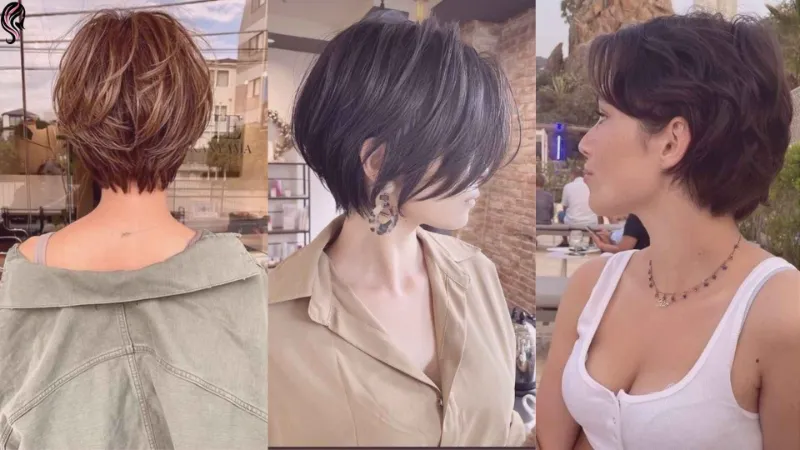
Pixie Cut Hairstyles remain one of the most popular short hairstyles for modern women today. These hairstyles save time during hair care and make everyday styling simple and quick. Many women prefer pixie cuts because they create a neat, clean, and fashionable appearance for both casual and formal events. Different variations like layered pixie cuts, curly pixie styles, and side-swept bangs add more beauty and volume to the hair.
Classic Pixie Cut
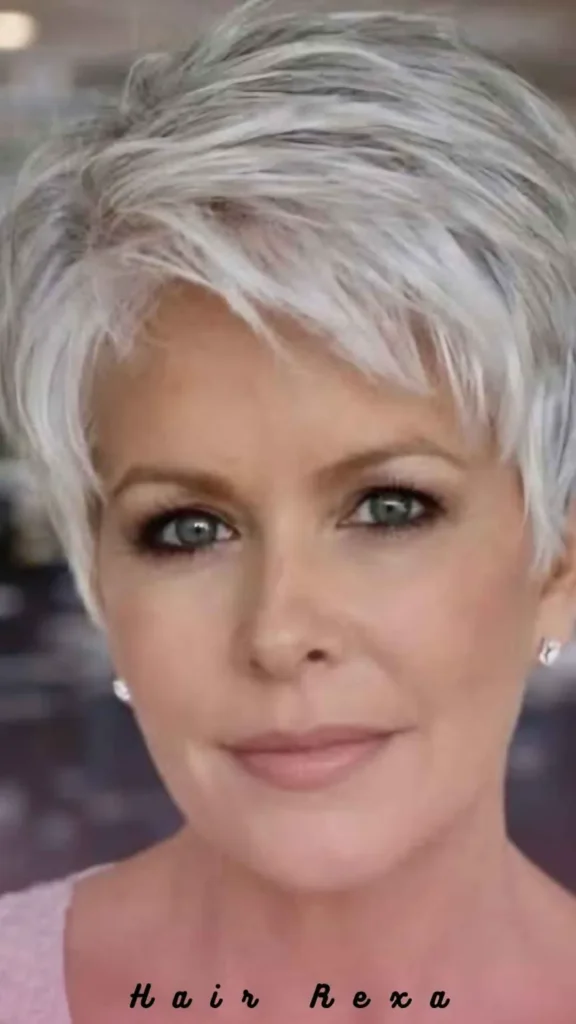
Timeless, never overdone
Works on most textures
Minimal daily styling
The classic pixie is the foundation everything else builds on. Think cropped sides and back, a slightly longer top (typically 2–4 inches), and clean lines around the ears. It’s the haircut Audrey Hepburn made iconic in the 1950s and that continues to feel fresh in 2026 because it’s not trend-dependent it’s structural.
What makes this cut special is its adaptability. Ask your stylist to leave more length on top if you want flexibility to sweep, tuck, or spike. Request tapered sides for a softer effect, or ask for a clean fade for something sharper. The base form is simple, but the finishing details are where personality enters.
💡Real-Life Example
Priya, a 34-year-old teacher with medium-density straight hair, switched from shoulder-length layers to a classic pixie. Her morning routine dropped from 25 minutes to 6. “I didn’t expect to feel more polished with less hair,” she said. “The cut does the work.”
Must Read: Oval Face Shape Hairstyles for a Modern and Confident Style
Textured Pixie Cut
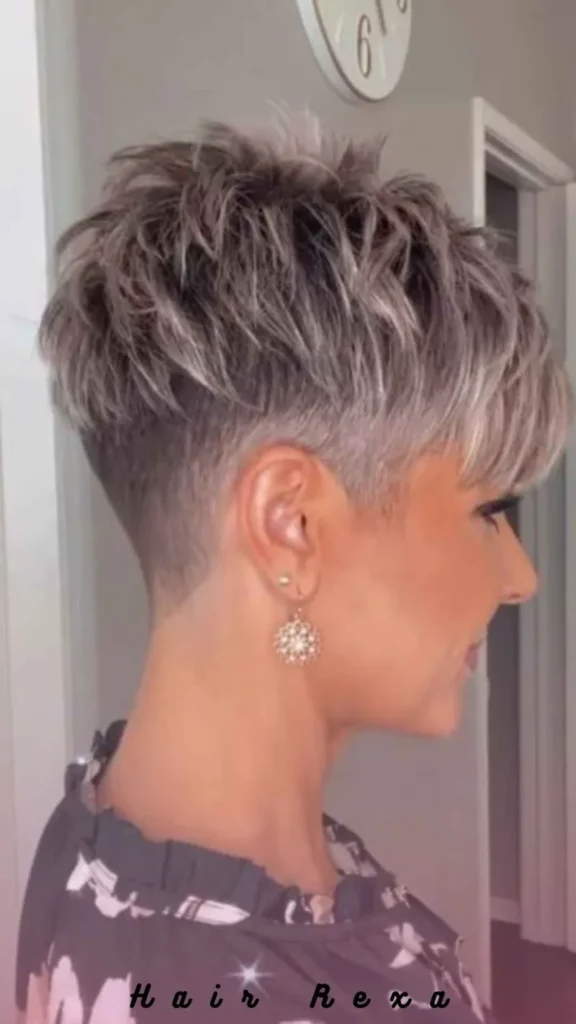
Best for wavy & thick hair
Effortlessly modern feel
Embraces natural movement
The textured pixie leans into natural movement and imperfection. Unlike the smooth, polished silhouette of the classic version, this cut uses deliberate choppiness piece-y layers, tousled tips, and varied lengths to create dimension and a lived-in aesthetic. It suits women who want their hair to look intentional without looking stiff.
This style particularly shines on naturally wavy or lightly curly hair. The texture of the cut works with the wave, not against it, which means less heat styling and fewer products. A small amount of matte paste or texturizing spray is all you need to define the layers and give the look lift.
⭐Pro Tip
Style a textured pixie by applying a pea-sized amount of styling paste to dry hair and working it through with your fingertips. Blow-dry only the roots if you need lift. Finish by scrunching the ends never smoothing them flat.
Read Also: Quick Business Casual Hairstyles for Professional Everyday Looks
Pixie Bob (Pixob)
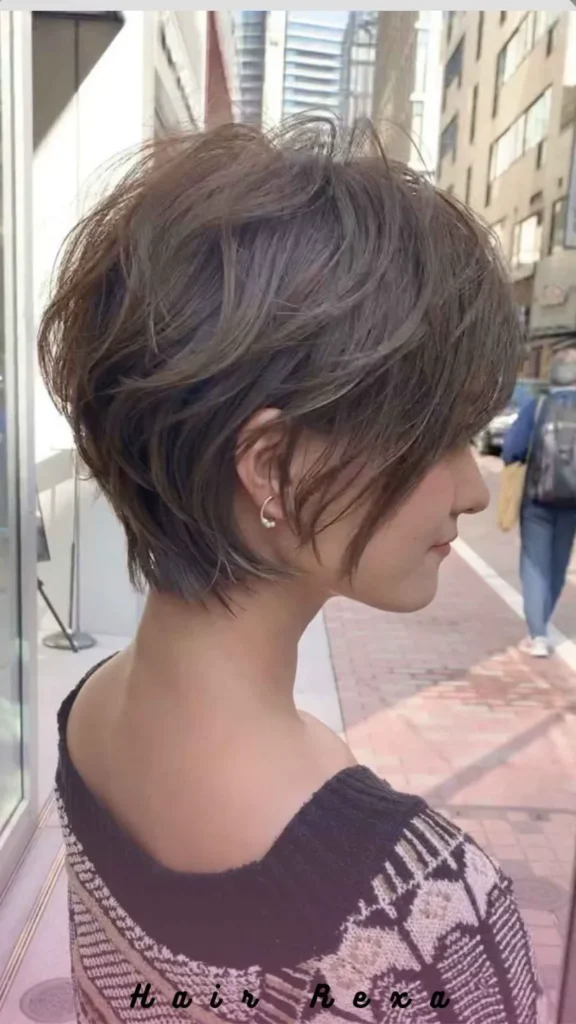
Ideal transition cut
Longer front, shorter back
Face-framing versatility
The pixie bob affectionately called the “pixob” is the perfect bridge between a classic bob and a full pixie. The back is cut short like a pixie, while the front panels are left longer, grazing the cheekbones or jaw. It’s the ideal entry point for women who love the idea of a pixie but aren’t quite ready to commit to going fully short.
Stylistically, the pixob is one of the most versatile pixie cut hairstyles in the lineup. The longer front sections can be tucked behind the ear for a sleeker look, pulled forward for a face-framing effect, or curled into soft tendrils for a romantic finish. It’s two looks in one cut practical and playful.
📋Mini Case Study
Sofia, a 28-year-old marketing manager with a round face, was nervous about going too short. Her stylist recommended the pixie bob as a middle ground. The longer sides minimized fullness at the cheeks while the tapered nape created the illusion of a longer neck. Six months later, she went full pixie and hasn’t looked back.
Don't Miss: Curly Hairstyle Ideas for Effortless Styling and Volume
Undercut Pixie
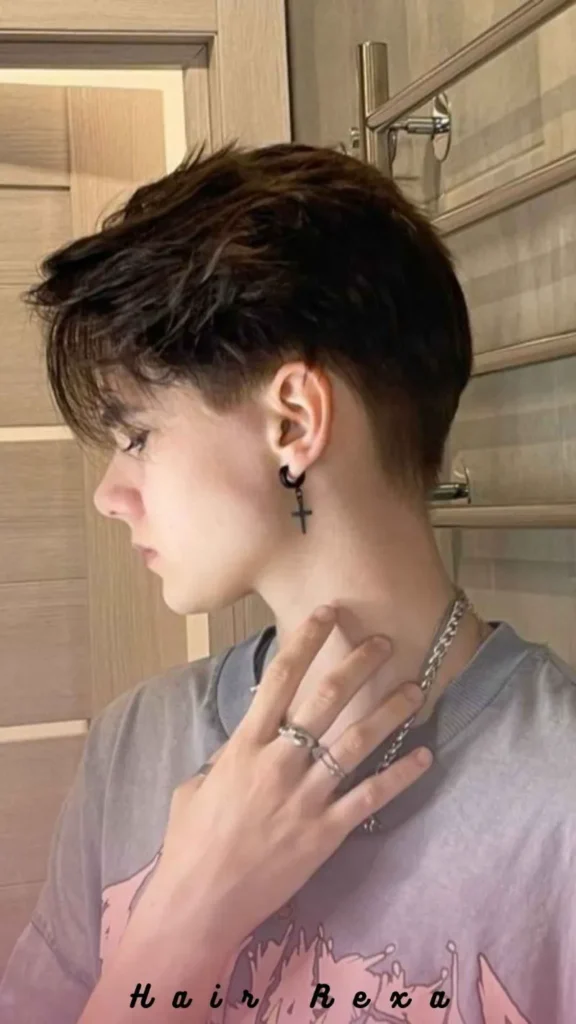
Edgy, bold statement
High-contrast shaved sections
Low-maintenance sides
The undercut pixie is the most dramatic and edgy take on the style. The sides and back are shaved or clipped extremely close sometimes down to a number 1 or 2 guard while the top retains significant length and texture. The contrast between skin-close sides and a lush, voluminous crown creates a striking geometric silhouette.
Maintenance is a two-edged sword: the top grows slowly and keeps its shape well, but the sides need a cleanup every 3–4 weeks to maintain that razor-sharp contrast. If you’re comfortable visiting your barber frequently, this is one of the sharpest-looking pixie cut hairstyles available.
✂️Style Note
If you want the undercut effect without full commitment, ask for a “hidden undercut” the shaved section sits underneath the top layer and only shows when you choose to reveal it. Perfect for professional environments.
Read More: Ponytail Hairstyles You Can Create in Minutes at Home
Curly Pixie Cut
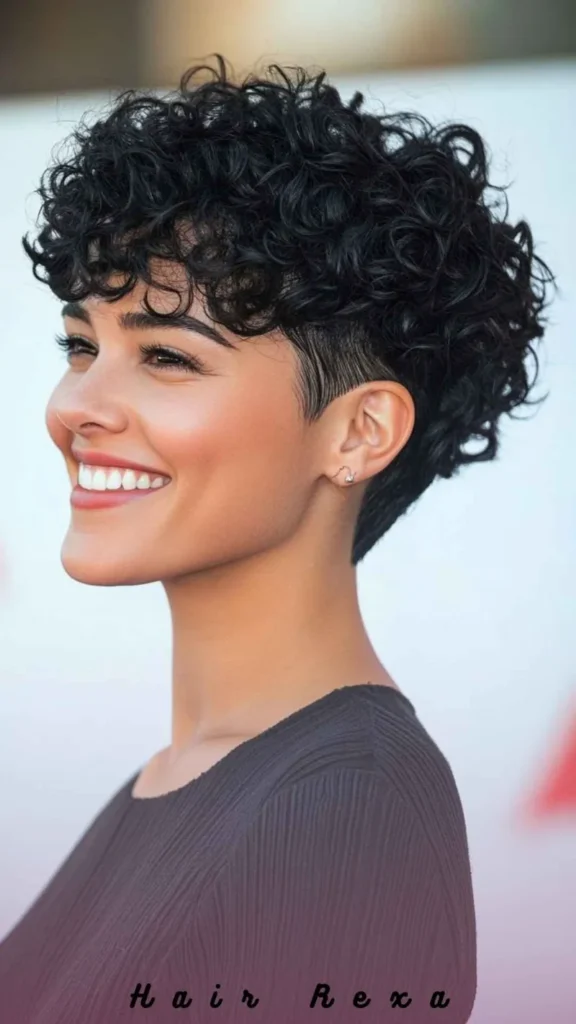
Celebrates natural curl pattern
Volume without length
Redefines short curly hair
For too long, women with curly hair were told that pixie cuts “wouldn’t work” for their texture. That advice is outdated. A properly cut curly pixie shaped to account for curl shrinkage and spring is one of the most stunning short haircuts possible. The key distinction: curly pixies are cut dry, not wet, so the stylist sees exactly where each curl falls.
Type 3a to 3c curls work beautifully at pixie length. The curls form a natural halo around the head, creating volume and definition without any styling effort. For tighter coils (Type 4), a slightly longer length (sometimes called a “teeny weeny afro” or TWA) allows the curl to fully form and show its pattern.
⭐Pro Tip
Always seek a stylist who specifically has experience cutting curly pixies. Ask to see photos of their curly short-hair work before booking. Curl pattern must be respected at every layer this isn’t a cut where generic techniques produce good results.
Side-Swept Pixie
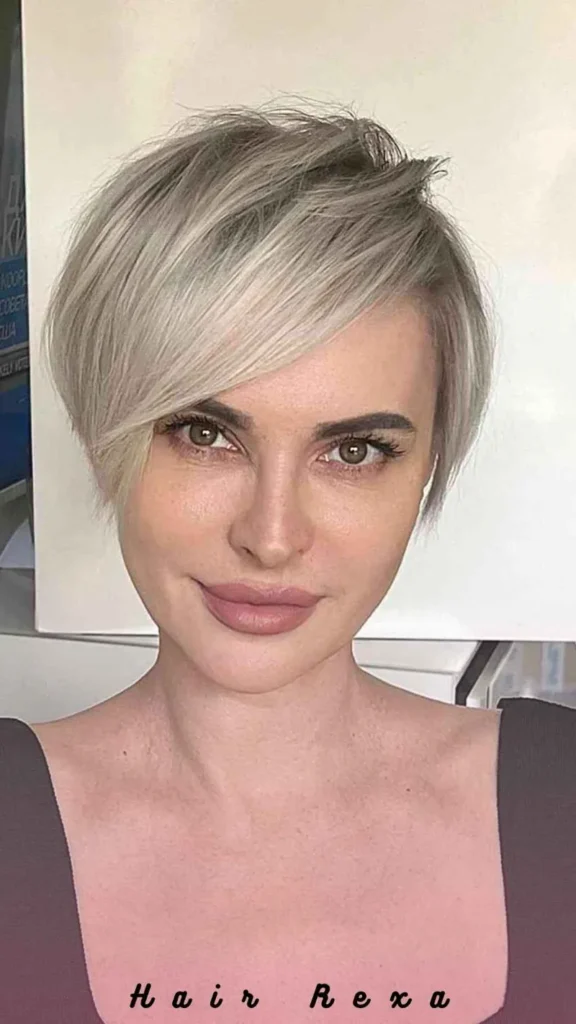
Soft, romantic finish
Perfect for square faces
Effortless elegant styling
The side-swept pixie is the most feminine and romantic interpretation of the short crop. Rather than styling the top hair upright or back, the length is guided diagonally across the forehead, creating a soft, sweeping effect. It’s a pixie that doesn’t look like a pixie at first glance it has the softness of a longer style while keeping all the advantages of short hair.
The side-swept pixie also works as a transitional style. As the cut grows out, the sweep becomes deeper and more dramatic, giving the cut a natural second life before you need another appointment. It’s forgiving, flattering, and one of the most client-friendly pixie cut hairstyles to maintain.
💡Real-Life Example
Maria, 42, a corporate attorney with a strong square jaw, had avoided short cuts for years. After trying the side-swept pixie, she found it softened her look in a way longer hair never had. “It’s paradoxical,” she noted. “Less hair, more femininity. I wish I’d done this years ago.”
Pixie with Bangs
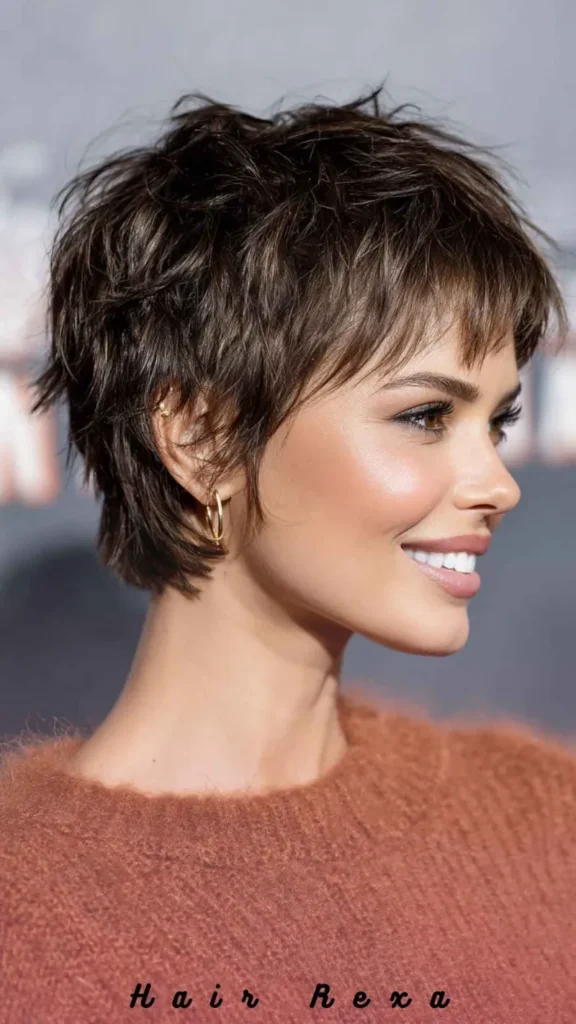
Forehead-friendly coverage
Blunt or wispy options
Adds drama to short styles
Adding a fringe to a pixie cut changes the entire character of the style. Blunt micro-bangs (cut above the brows) create a bold, editorial look. Wispy side-swept bangs soften and frame. Curtain bangs on a pixie give an unexpected retro-cool vibe. The fringe becomes the focal point and it’s infinitely customizable.
The most practical version for everyday wear is a soft, slightly overgrown fringe that grazes the brows. It requires minimal upkeep (a light trim every 4–6 weeks) and works for almost every face shape. Avoid super-blunt geometric bangs if you have fine hair they can look heavy and pull the face down.
✂️Style Note
Pixie bangs grow fast. If you’re unsure about a specific bang style, ask for them to be cut slightly longer on your first visit you can always take more off, but you can’t put it back.
Pixie Cuts by Face Shape
Choosing the right pixie cut starts with understanding your face shape. The goal isn’t to follow rigid rules it’s to understand which structural choices create the most harmonious balance.
🥚
Oval
Any pixie style you hit the jackpot
🔲
Square
Side-swept pixie, soft bangs
🔵
Round
Pixie with height on top, tapered sides
🔺
Heart
Pixie bob, side-parted styles
💎
Diamond
Classic pixie with soft fringe
🟤
Oblong
extured pixie, fuller sides
Still Deciding? Here’s a Quick Comparison
Use this table to weigh your options before booking. Each style is rated by difficulty, maintenance frequency, and best-suited face shapes.
| Hairstyle | Difficulty | Maintenance | Best Face Shapes | Pros | Cons |
|---|---|---|---|---|---|
| Classic Pixie | Easy | Every 5–6 weeks | Oval, Heart, Diamond | Universally flatteringFast to styleWorks on all textures | Less styling varietyRequires regular trims |
| Textured Pixie | Easy–Medium | Every 6–7 weeks | Oval, Oblong, Square | Natural, effortless lookGreat for wavy hairLow heat styling | Can look undone on fine hairNeeds texturizing products |
| Pixie Bob | Easy | Every 6–8 weeks | Oval, Heart, Square | Great transition cutVersatile stylingFace-framing options | Not as bold as full pixieStyling needed for definition |
| Undercut Pixie | Medium | Every 3–4 weeks | Oval, Round, Square | Striking, edgy lookCool in warm weatherMultiple top styling options | Frequent clipper upkeepHard to grow out gracefully |
| Curly Pixie | Medium | Every 6–8 weeks | Oval, Round, Diamond | Celebrates natural curlMinimal heat neededBeautiful volume | Must find curl-specialist stylistShrinkage can mislead length |
| Side-Swept Pixie | Easy–Medium | Every 5–6 weeks | Square, Oblong, Diamond | Soft, feminine finishProfessional and polishedHides strong jawlines | Needs light daily stylingHumidity can disrupt sweep |
| Pixie with Bangs | Medium | Every 4–5 weeks | Oval, Oblong, Heart | Covers forehead concernsDramatic visual impactHighly customizable | Bangs grow fastestCan feel heavy on fine hair |
Conclusion
Pixie Cut Hairstyles are a great choice for women who want a stylish and simple haircut. These hairstyles look modern, feel comfortable, and save daily styling time. Different pixie styles suit many face shapes and hair types easily. They also give a fresh and confident appearance for every age.
Pixie Cut Hairstyles continue to stay popular because they are easy to manage and always look fashionable. From soft layered cuts to bold textured styles, there are many beautiful options to try. This hairstyle adds charm, beauty, and elegance while keeping hair short, neat, and trendy every day.
Practical Expert Insights
These aren’t generic tips. These are the stylist-backed strategies that separate a great pixie cut experience from a mediocre one.
Bring reference photos plural
Bring 3–5 photos showing different angles of pixie cuts you like. Identify what specifically you love: the nape shape? The top length? The texture? This gives your stylist precision to work with, not guesswork.
Address hair color before cutting
If you’re coloring before cutting, do the color first. Pixie cuts show every root and highlight placement. Color applied after the cut gets tailored framing. Do it in the wrong order and you lose both.
Less product, more technique
A well-cut pixie needs almost nothing. Over-product is a sign the cut isn’t working. If you find yourself using lots of spray or serum to control your pixie, revisit the shape with your stylist.
Invest in quality scissors at home
Between salon visits, small trims around the ear and nape are easy to do yourself with a good pair of hair shears. A $20 pair from a beauty supply store lasts years and keeps your cut from going feral between appointments.
Communicate nape preferences clearly
The nape (base of the neck) is the most overlooked part of a pixie cut. Decide in advance: tapered (gradual fade), blocked (clean horizontal line), or natural (follows the hairline). Each gives a distinctly different finish.
Scalp health matters more short
Short hair puts your scalp front and center. Use a gentle scalp-focused shampoo to prevent flakes or buildup. If your scalp is oily, wash every 2 days max over-washing strips oils and triggers more production.
FAQ’S About Pixie Cut Hairstyles
What exactly is a pixie cut?
A pixie cut is a short women’s hairstyle cropped close to the sides and back, with more length (typically 2–4 inches) left on top. It’s named for its playful, sprite-like silhouette. The term covers a wide family of styles from ultra-short to longer hybrid versions.
How often do you need to trim a pixie cut?
Every 4–6 weeks for sharp styles (undercuts, clean napes). Softer, textured pixies can go 6–8 weeks. The sides and back grow fastest and lose shape first trimming these sections regularly keeps the cut looking intentional, not grown-out.
Does a pixie cut suit thick hair?
Yes with the right technique. Thick hair needs internal thinning (using thinning shears or point-cutting through the bulk) to prevent the cut from sitting like a helmet. A skilled stylist will remove weight without removing length, giving the cut shape and movement.
Can you style a pixie cut different ways?
Absolutely. The top section of a pixie cut offers real versatility: side-swept, spiked, smoothed back, pushed forward, or piece-y and tousled. The styling direction not just products dramatically changes the look. One cut, multiple personalities.
What’s the best pixie cut for aging gracefully?
A soft classic or side-swept pixie with a textured finish is widely recommended for women over 50. Avoid overly blunt or geometric cuts, which can look harsh. Embracing natural silver or gray in a pixie is particularly striking the cut shows it off beautifully.
Hi! I’m Mira Carter, founder of Hair Rexa with 8 years of experience in hair care and styling. I share simple tips, hairstyle ideas, and expert guidance to help you keep your hair healthy, strong, and looking fabulous every day.


