
12 Stunning Face Framing Layers Ideas That Take Years Off Your Look

Face Framing Layers are the easiest way to refresh your hairstyle without losing much length. They add shape, soften facial features, and create natural movement. This guide shares beautiful Face Framing Layers ideas for different hair types, face shapes, and personal styles.
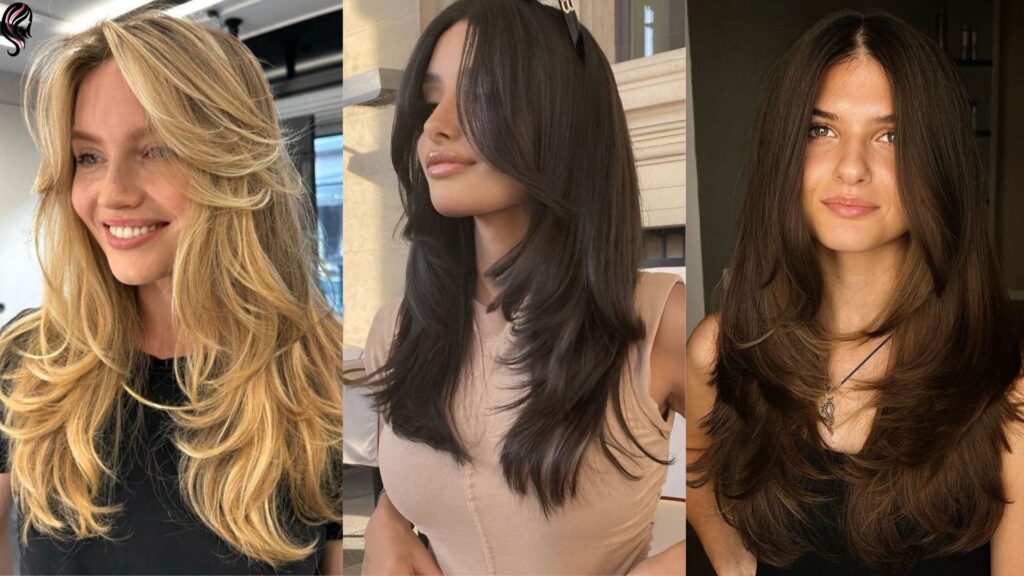
A simple haircut can completely change your appearance and boost your confidence. Face Framing Layers highlight your best features while adding softness and texture to your hair. They suit short, medium, and long hairstyles, making them a versatile choice for a fresh, modern look.
These Face Framing Layers ideas help you choose a style that matches your hair texture and face shape. Each option offers a unique finish, from soft and natural to bold and trendy. With the right cut and easy styling tips, you can enjoy a flattering hairstyle every day.
Curtain Layers
The Most Flattering Classic
✦ Timeless, effortless style
✦ Works every face shape
✦ Low-maintenance magic
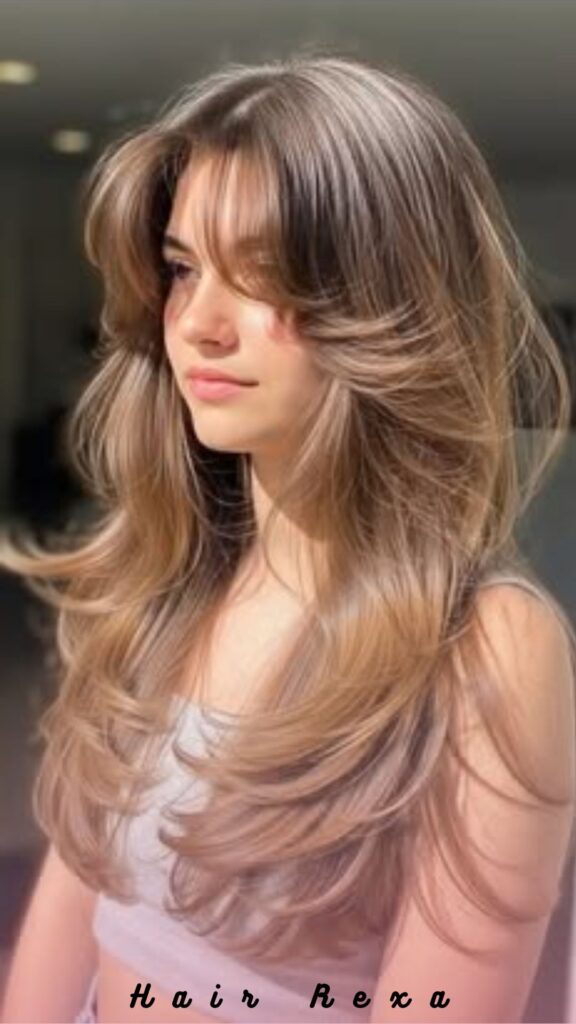
Curtain layers are the OG of face framing. These are longer layers that part in the middle and sweep gently to each side like curtains framing a window. They create a soft, open shape around the face that feels romantic and effortlessly cool at the same time.
This style exploded in popularity during the 70s revival trend and has never left. Think Farrah Fawcett meets modern minimalism. They work beautifully on straight, wavy, and even lightly curly hair. The key is the gentle feathering outward from the center part.
Real-life scenario: A client with a round face who switched from blunt-cut bangs to curtain layers reported her cheekbones looked more prominent and her face appeared slimmer without changing a single other thing about her look.
✂ Style Note: Ask your stylist for curtain layers starting just below the cheekbone for maximum face-framing effect.
Pro Tip: Blow-dry your curtain layers with a round brush, sweeping outward from the center. This gives them that signature Farrah Fawcett lift and body.
Discover More: Long Layered Haircuts That Frame Your Face Beautifully
Wispy Layers
Feather-Light & Effortlessly Soft
✦ Delicate, airy texture
✦ Perfect for fine hair
✦ Adds movement, not bulk
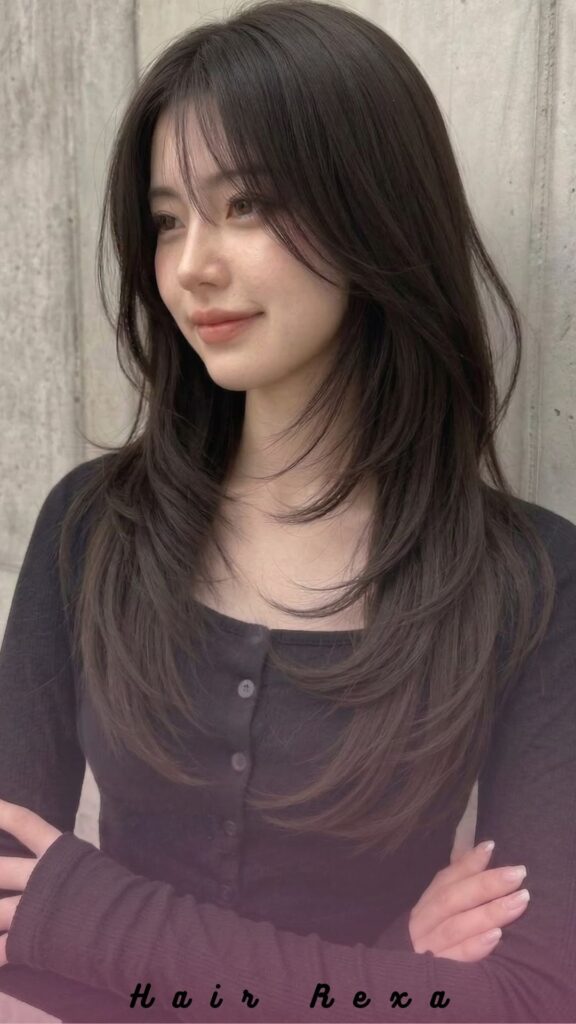
Wispy face framing layers are created with razor cutting or point cutting techniques that leave the ends looking feathery and delicate. Unlike blunt layers, wispy ends don’t feel heavy or structured they float. This makes them ideal for fine or thin hair that needs texture without extra weight.
This style works particularly well for those with heart-shaped faces, as the light, airy ends near the chin soften the pointy lower face without overwhelming it. They also pair beautifully with loose waves for a dreamy, effortless finish.
Example: Someone with fine, straight hair can use wispy layers to create the illusion of fuller hair. The feathered ends catch light differently, giving depth that blunt cuts simply cannot achieve.
✂ Style Note: Wispy layers look incredible air-dried with a small amount of texturizing spray. Over-styling can flatten the delicate ends and ruin the feathery effect.
Pro Tip: Apply a pea-sized amount of lightweight hair oil only to the mid-lengths and ends, never the roots, to keep wispy layers looking defined and frizz-free.
Choppy Layers
Bold, Edgy & High-Impact
✦ Adds raw texture instantly
✦ Great for thick hair
✦ Edgy, fashion-forward vibe
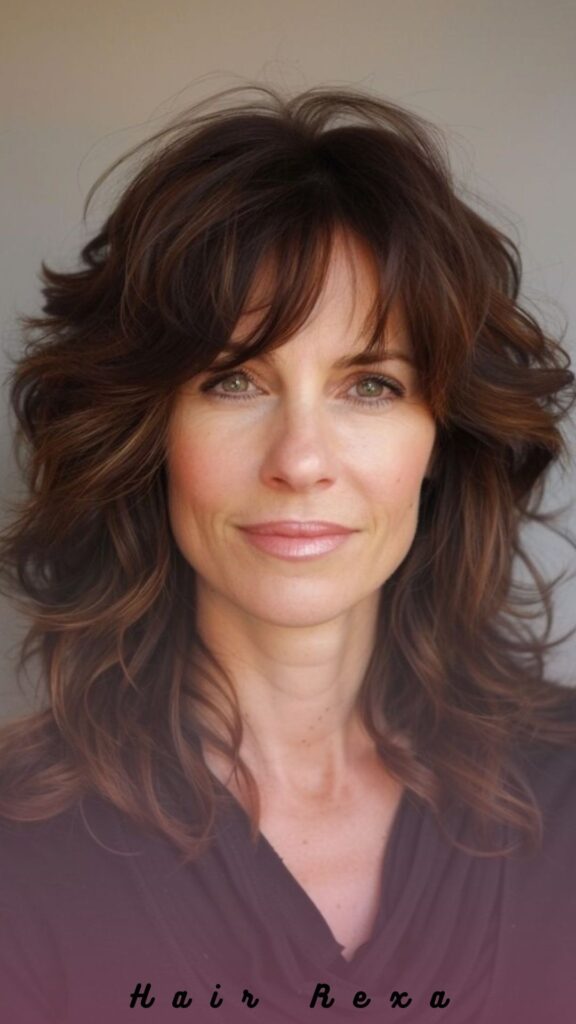
If curtain layers are soft whispers, choppy face framing layers are bold declarations. These are cut with deliberate, uneven angles that create visible texture and a lived-in, undone aesthetic. They are perfect for people with thick or coarse hair who want to reduce bulk while adding visual interest.
Choppy layers photograph exceptionally well and are a favorite among editorial stylists. They create high-contrast texture that looks intentional and fashion-forward. Square and round face shapes particularly benefit because the irregular edges break up the symmetry of the face.
Mini case study: A content creator with thick, heavy hair found that choppy face framing layers reduced the time she spent blow-drying by 15 minutes per session the removed bulk made her hair dry faster and style easier.
✂ Style Note: Choppy layers require a skilled stylist with point-cutting technique. A regular scissor-only cut may not achieve the right texture.
Pro Tip: Scrunch choppy layers with a sea salt spray while hair is 70% dry. This locks in that intentional, tousled finish without any heat tools.
Soft Shag Layers
The Vintage Revival That Rules Right Now
✦ 70s-inspired volume boost
✦ Flatters all face shapes
✦ Trending hard in 2026
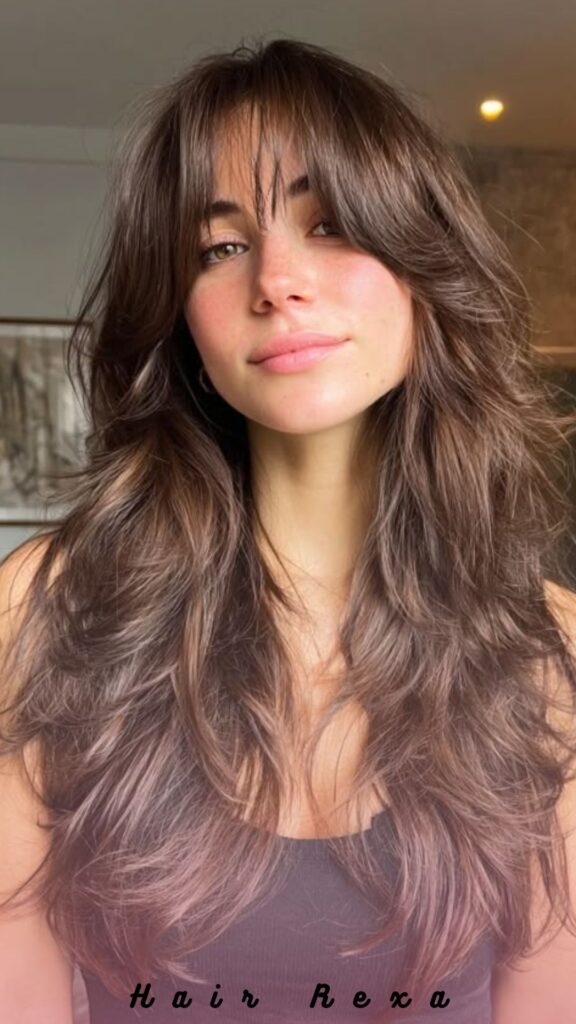
The soft shag is having its moment again. These face framing layers combine curtain-style front pieces with voluminous, multi-length layers throughout the rest of the hair. The result is a bouncy, textured, retro-inspired look that feels simultaneously nostalgic and current.
What makes shag layers uniquely powerful for face framing is the combination of short front layers and longer graduated layers. The contrast creates a framing effect that draws the eye inward and upward. Wavy and curly hair types get the most mileage from this cut since natural texture enhances the layered silhouette.
Real-life scenario: A woman transitioning from a long, uniform haircut to a soft shag described it as her hair finally ‘waking up.’ The added layers gave her wavy texture something to work with, and she stopped using straighteners entirely.
✂ Style Note: Request a ‘soft shag with face framing curtain pieces’ to keep the look feminine and modern rather than overly retro.
Pro Tip: Diffuse shag layers on a low heat setting with your head upside down. This builds volume at the root and defines the waves without frizz.
You Might Also Like: Curtain Bangs Hairstyles That Perfectly Complement Your Features
Long Face Framing Layers
For Flowing, Effortless Length
✦ Maintains length beautifully
✦ Gradual, seamless blend
✦ Elegant and versatile
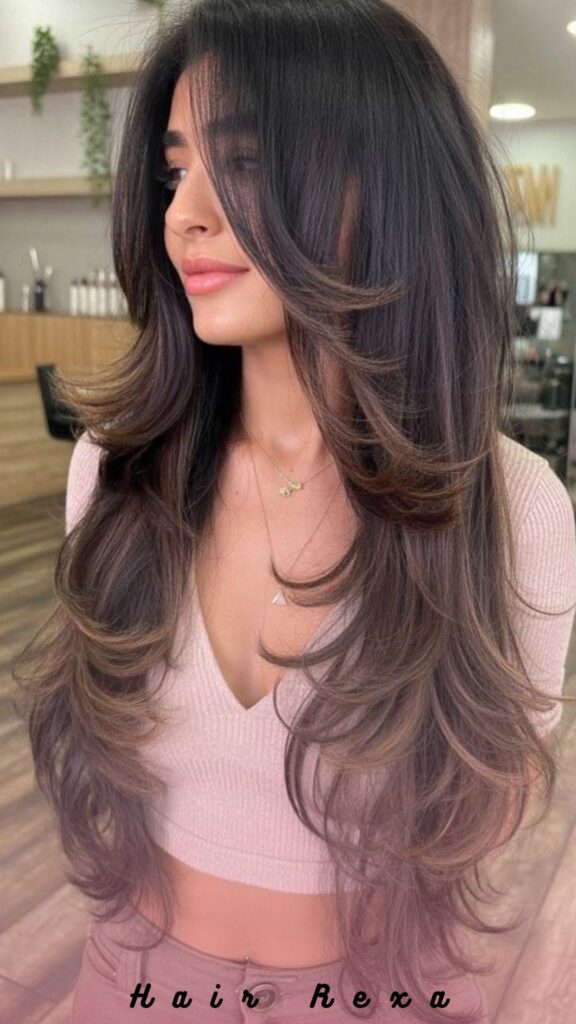
Not everyone wants short or dramatic face framing layers. Long face framing layers add shape and movement without sacrificing the length you’ve been growing for months or years. These typically start around the collarbone or chest and blend gradually into the rest of the hair.
Long layers are the most forgiving option. They work on nearly every face shape and hair texture. For those with oval faces the universally flattering shape long layers enhance the natural balance of features without overcorrecting anything. They also make ponytails and updos look fuller and more dynamic.
Example: A bride who wanted to keep her waist-length hair but add some dimension for her wedding day opted for long face framing layers. The result in photos: a stunning visual depth that looked intentional and elegant without reading as ‘chopped.’
✂ Style Note: Long face framing layers look most polished when styled with a large-barrel curling wand to add soft bends rather than tight curls.
Pro Tip: Ask for long layers to start no higher than the collarbone if you’re nervous about commitment. You can always go shorter later never longer.
Blunt Face Framing Layers
Structured, Sharp & Sophisticated
✦ Clean, graphic finish
✦ Perfect for fine hair
✦ High-fashion aesthetic
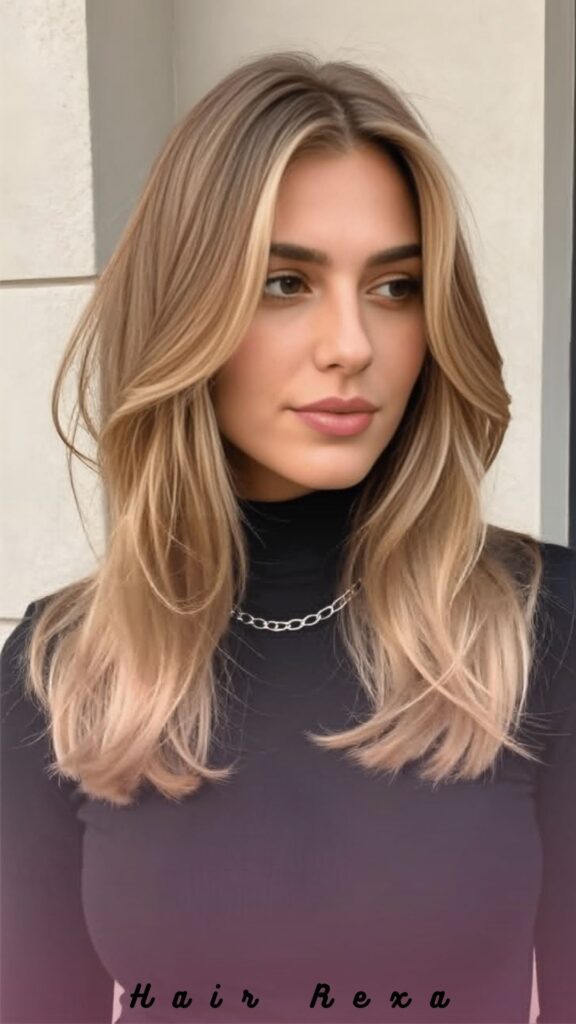
Blunt face framing layers are cut straight across no feathering, no tapering. The ends are clean, deliberate, and sharp. This creates a structured, graphic look that reads as very polished and put-together. It’s the face framing choice of fashionistas and minimalists.
The geometric precision of blunt layers works especially well on straight hair, which shows off the clean lines perfectly. Fine hair benefits enormously because the blunt ends create the illusion of thickness and density. Pair with a sleek, straight blowout for maximum sophistication.
Mini case study: A professional in a corporate environment wanted a hairstyle that looked ‘intentional’ rather than ‘effortless.’ Blunt face framing layers gave her hair a polished, deliberate silhouette that photographed cleanly and held up well in video calls.
✂ Style Note: Blunt layers require regular trims every 6-8 weeks to maintain their sharp, clean line. Split ends make the edges look fuzzy and defeat the purpose.
Pro Tip: Use a flat iron to smooth blunt face framing layers for maximum edge definition. Finish with a light-hold hairspray to prevent any flyaways from ruining the clean line.
Related: Wispy Bangs Hairstyles That Give You a Soft and Dreamy Look
Face Framing Layers for Curly Hair
Celebrate Your Texture
✦ Enhances natural curl pattern
✦ Reduces triangle effect
✦ Curl-friendly shaping
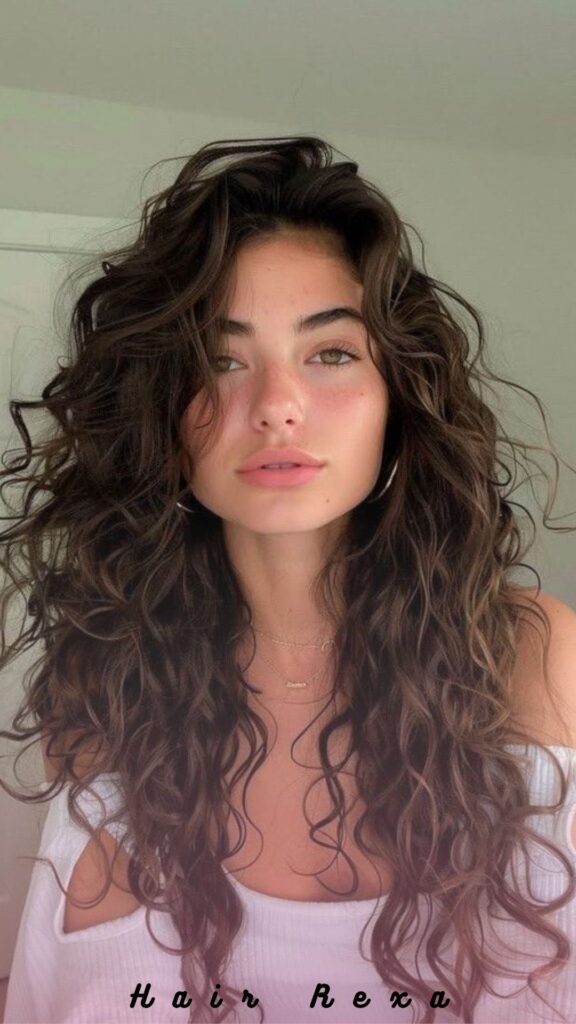
Curly hair has its own unique layering rules. Traditional face framing techniques can cause the dreaded ‘triangle effect’ where curly hair expands at the sides rather than framing the face. The solution is curly-specific face framing layers that work with the curl pattern, not against it.
A technique called the ‘DevaCut’ or ‘curl-by-curl’ cutting method trims each curl individually while dry, allowing the stylist to see exactly where the curl will fall. This prevents the choppy, uneven look that can happen when curly hair is cut wet and then springs up unevenly when dry.
Real-life scenario: A woman with 3B curls had avoided layers for years after a bad experience. After finding a curl-specialist stylist who cut dry and focused layers only on the front sections, she described her hair as ‘finally living its best life.’ The curls framed her face instead of obscuring it.
✂ Style Note: Always find a stylist who specializes in curly hair for face framing layers. Standard cutting techniques can cause irreversible damage to curl patterns.
Pro Tip: After your curly face framing layer cut, use the rake-and-shake method with a curl cream to help the face framing pieces define separately from the rest of your hair.
Micro Face Framing Layers
Subtle & Barely-There
✦ Subtle, understated change
✦ Safe for commitment-phobes
✦ Huge visual impact
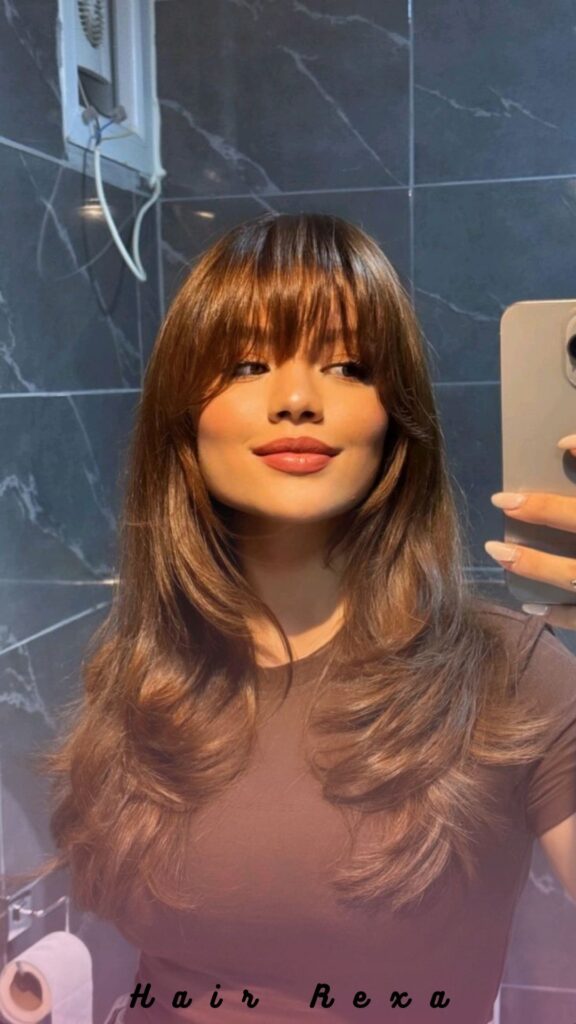
Not ready for a dramatic transformation? Micro face framing layers are the gateway option. These are very short, fine sections of hair often just an inch or two of difference cut specifically around the face to create gentle movement without any dramatic length change elsewhere.
Think of micro layers as the ‘preview mode’ of face framing. They create a subtle visual difference that photographs beautifully and frames the face without anyone being able to pinpoint exactly what changed. The effect is fresh, lifted, and modern perfect for minimal risk maximum reward seekers.
Example: A person who hadn’t cut their hair in two years was hesitant about any change. Micro face framing layers gave their style a fresh update that even their partner noticed commenting that their hair ‘looked healthier and more put together’ without knowing any cut had happened.
✂ Style Note: Micro face framing layers are particularly beautiful when paired with face-forward styling like tucking one side behind the ear to show off the layers.
Pro Tip: If you want micro layers but fear commitment, ask for the shortest piece to sit at chin length. This gives maximum face framing with the least risk if you change your mind.
Money Piece Highlight + Layers Combo
Color Meets Cut
✦ Color amplifies layer effect
✦ Trendsetting two-in-one look
✦ High-impact, low-maintenance
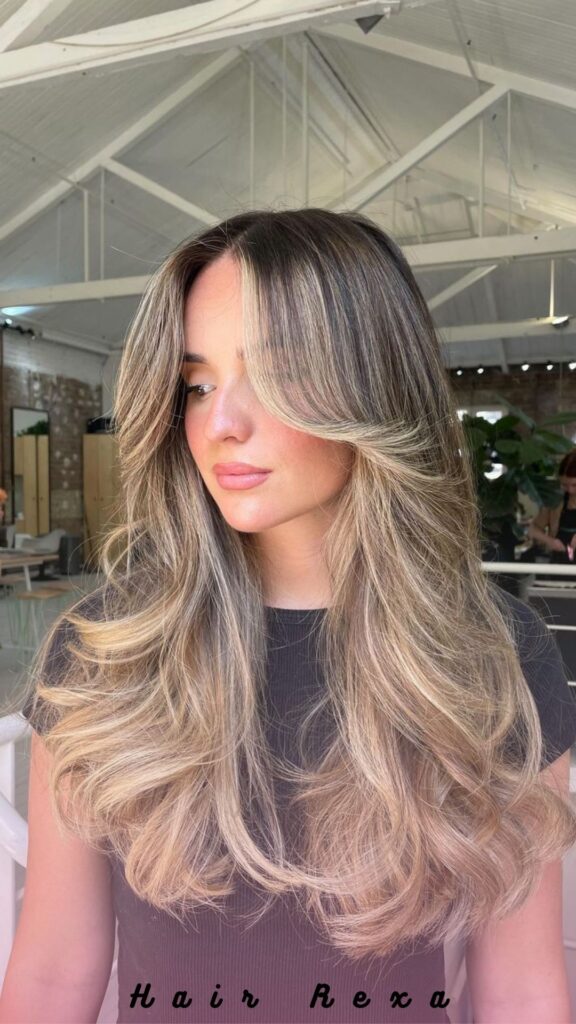
The money piece is a lightning bolt of color usually a lighter blonde or caramel placed precisely on the face framing sections. When combined with actual face framing layers, the result is a double-whammy of dimension that draws every eye straight to your face.
This combination works because the color contrast makes the layers visible even on very fine hair. The lighter pieces catch light, literally illuminating the face and creating the impression of highlight and shadow without any contouring makeup. It’s a technique borrowed from editorial photography and brought into everyday life.
Mini case study: A brunette with natural dark hair added blonde money pieces on her face framing layers before a beach holiday. In every photo, her face looked naturally sun-kissed and glowing. The combination of cut and color made her look refreshed without changing her base hair color.
✂ Style Note: Ask for money pieces that start 1-2 inches back from the hairline for a seamless, grown-out look. Pieces right at the edge can look stripy and dated.
Pro Tip: Maintain money piece highlights with a purple toning shampoo once a week. This prevents brassiness and keeps the blonde pieces looking fresh between salon visits.
Face Framing Layers for Short Hair
Bobs & Lobs Get a Lift
✦ Transforms bobs instantly
✦ Adds movement to short styles
✦ Shorter cuts, bigger impact
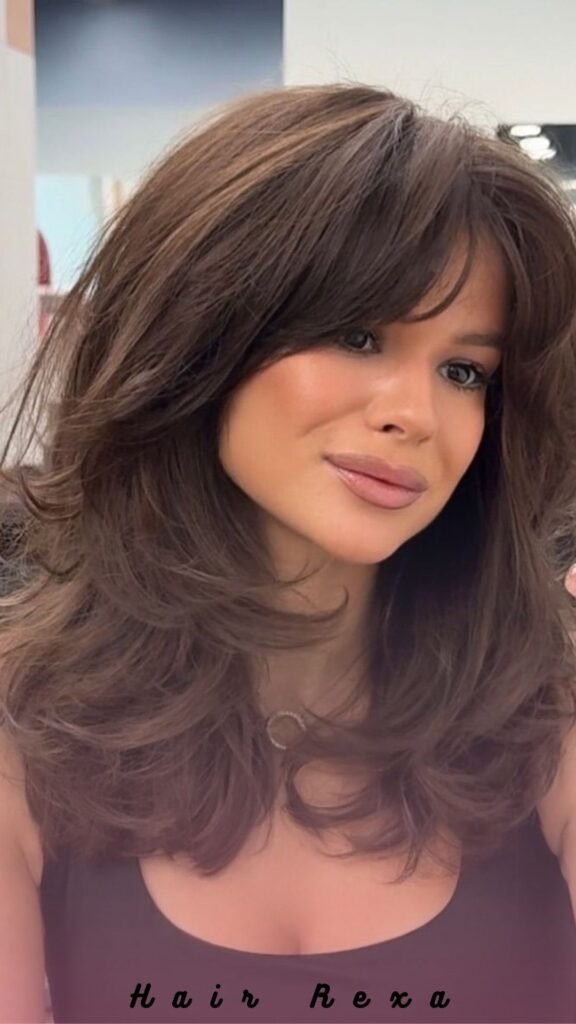
Think face framing layers are only for long hair? Think again. Short hair including bobs and lobs (long bobs) benefits enormously from strategic face framing layers. Even a one-inch difference in length between the front pieces and the rest creates a completely different silhouette.
For bobs, face framing layers typically involve cutting the front sections slightly longer than the back, creating a gradual ‘A-line’ shape that draws the eye forward. This technique makes round faces appear more oval and gives square faces a softer, more feminine outline.
Example: A woman with a jaw-length blunt bob felt her hair was ‘too heavy’ around her face. Adding subtle face framing layers just half an inch of graduation at the front immediately lightened the look and gave her style direction instead of a flat, uniform shape.
✂ Style Note: For a modern lob with face framing layers, request an ‘angled lob with face framing pieces’ this ensures the right graduation and direction for your specific face shape.
Pro Tip: Use a straightener to flip the tips of short face framing layers outward. This creates a playful, modern shape that adds visual width around the cheeks.
Don’t Miss: Oval Face Shape Hairstyles That Highlight Your Best Features
Layered Bangs + Face Framing
The Power Duo
✦ Bangs elevate layer impact
✦ Strong, defined framing effect
✦ Face-shortening for length
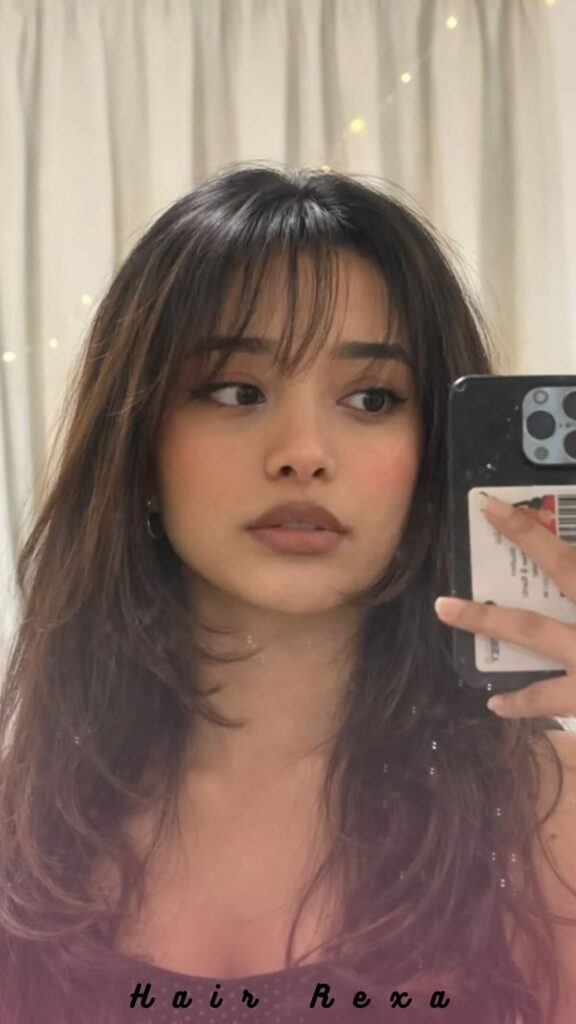
Bangs and face framing layers together are one of the most powerful face-shaping combinations in hair styling. While bangs address the forehead and upper face, face framing layers handle the middle and lower face covering all the bases in one cohesive style.
The key is matching the style of the bangs with the style of the layers. Wispy bangs pair with wispy layers. Blunt bangs need blunt layers. Curtain bangs the modern style that sits on either side of a center part are practically incomplete without matching face framing layers that continue the ‘curtain’ effect down the sides of the face.
Real-life scenario: A client who felt her long face looked ‘narrow and stretched’ combined curtain bangs with gentle face framing layers. The result her face appeared significantly wider and more proportionate in photos, and she received more compliments on her hair than ever before.
✂ Style Note: Curtain bangs need to be blown out with a round brush away from the center to achieve that beautiful, split-curtain shape. Don’t skip this step.
Pro Tip: If you’re nervous about bangs, start with curtain bangs only they can be pushed back or pinned if you dislike them. Add face framing layers at your next appointment once you’re committed to the bang life.
Face Framing Layers for Round Faces
Slim & Define
✦ Creates vertical visual lines
✦ Slims and defines face
✦ Length adds proportion
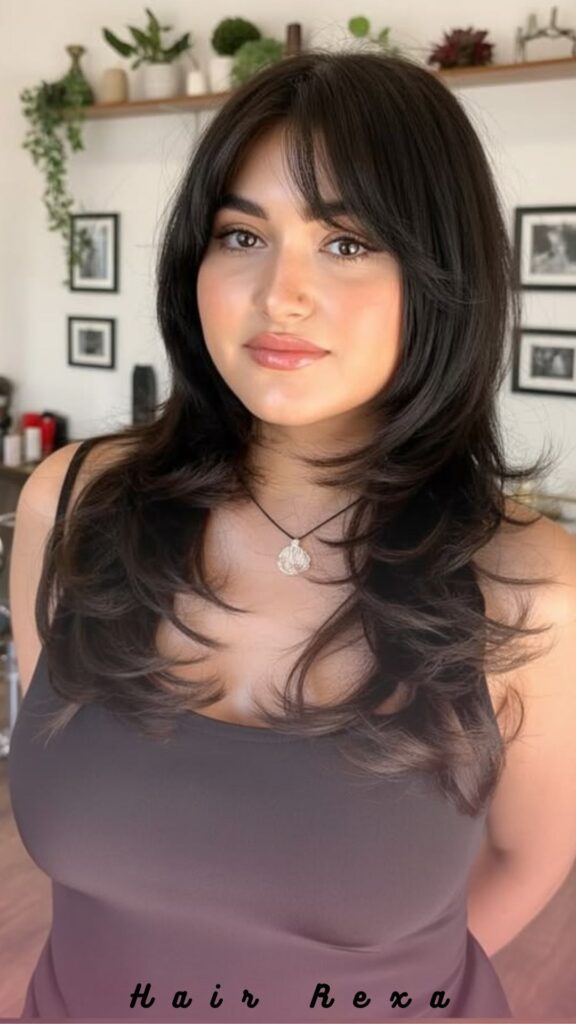
Round faces are the face shape that benefits most dramatically from face framing layers. The strategic placement of longer, angled pieces at the front of the hair creates vertical lines that counteract the horizontal roundness of the face, making it appear slimmer and more oval-shaped.
The golden rule for round faces: the face framing layers should be longer than the chin. Anything that ends at the widest part of the face (usually the cheeks or jaw) can actually emphasize roundness. Layers that extend to the collarbone or chest create the illusion of a longer, slimmer face.
Mini case study: A social media influencer with a round face documented switching from a chin-length bob to a lob with long face framing layers. Her engagement rates on photos featuring her new hairstyle increased noticeably, and followers frequently commented that her face looked ‘more defined.’
✂ Style Note: Avoid too-short layers that end right at the cheek for round faces. The layers must extend below the jawline to create the slimming effect.
Pro Tip: Style face framing layers straight down (not flipped out) for round faces. Flipping layers outward adds width the exact opposite of what a round face needs.
Still Deciding? Here’s a Quick Comparison
Use this table to match your hair type, face shape, and lifestyle to the right face framing layer style.
| Layer Style | Face Shape Suited | Hair Type | Maintenance | Styling Time | Best For |
| Curtain Layers | Oval, Round | All types | Low | 10 min | Soft, boho look |
| Wispy Layers | Heart, Oval | Fine, thin | Low-Med | 15 min | Feathery, airy finish |
| Choppy Layers | Square, Round | Thick, coarse | Medium | 20 min | Edgy, textured style |
| Soft Shag Layers | All shapes | Wavy, curly | Medium | 20 min | Retro, voluminous look |
| Blunt Layers | Oval, Heart | Straight, fine | Low | 10 min | Clean, polished style |
| Razor-Cut Layers | Oval, Square | Thick, straight | Med-High | 25 min | Ultra-modern finish |
| Feathered Layers | Round, Oval | Fine to med | Low | 15 min | Classic, timeless look |
Expert Insights & Practical Tips
Professional stylists agree on one thing: communication is everything. Bring reference photos at least three to your appointment. Your idea of ‘soft layers’ and your stylist’s idea may be completely different. Photos eliminate the guesswork and ensure both of you are working toward the same result.
Face framing layers should be customized to your specific facial features, not just your face shape. Your nose, cheekbones, and brow bone all play a role in where layers should begin, how long they should be, and how steeply they should angle. A great stylist assesses all of these before cutting a single strand.
- Always consult a professional before attempting to cut face framing layers at home one wrong cut can take months to fix.
- Consider your lifestyle: layers need maintenance; if you skip salon visits, start with longer, more subtle layers.
- Use the right products for your layer type light creams for wispy, stronger pomades for choppy, mousse for curly.
- Never cut face framing layers when your hair is wet unless you account for shrinkage especially critical for curly hair.
- Invest in a good round brush and a concentrator nozzle on your dryer these two tools make home styling of layers dramatically easier.
Final Thoughts
Face framing layers are one of the most powerful, accessible hair transformations available no dramatic color change required. From soft curtain layers to bold choppy styles, there’s a face framing option for every hair type, texture, and face shape.
The right face framing layers don’t just change your hair they change how the world sees your face. When cut with precision and maintained well, they bring out your cheekbones, balance your proportions, and add a confidence-boosting dynamism to your everyday look.
Whether you’re ready for a full shag transformation or just a subtle micro-layer refresh, start the conversation with your stylist using the insights from this guide. Bring your reference photos, know your face shape, and trust the process. Your best hair day is one appointment away.


