
Korean Hairstyle Ideas for Stylish and Modern Hair Makeovers

“You changed your hair” four words every K-drama character hears after a glow-up. Now it’s your turn.”
Korean hairstyles have gone from a niche K-pop obsession to a global beauty movement and for good reason. They are soft, intentional, effortlessly stylish, and designed around one core philosophy: making your face look its absolute best. Whether you’re battling a bad hair day or planning a full transformation, Korean hair trends offer something no other scene does a perfect blend of structure and softness.
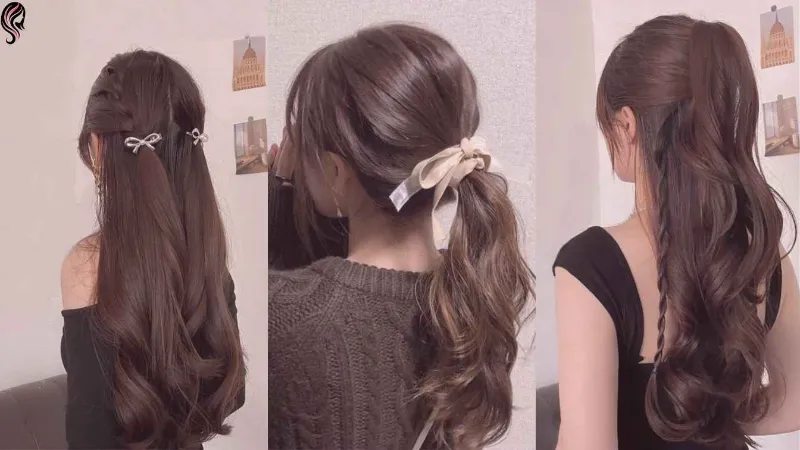
The challenge? There are dozens of Korean hairstyle trends circulating at any given moment from the dewy, face-framing “see-through bangs” made famous by BLACKPINK’s Jisoo, to the bouncy, nostalgic “C-curl perm” you see on every Seoul street. Knowing which style works for your face shape, hair texture, and maintenance commitment is where most people get stuck.
This guide cuts through the noise. Below you’ll find 14 of the most relevant, trending, and truly distinctive Korean hairstyle ideas each explained in depth with styling notes, who it suits, real examples, and expert tips you won’t find anywhere else.
What Makes Korean Hairstyles Different?
Precision-cut geometry
Soft finish, sharp intent
Skin-aware framing
At their core, Korean hairstyles are engineered around the face. Where Western cuts often prioritize volume or length, Korean stylists start by analyzing bone structure, forehead width, and jaw shape before picking up the scissors. This is why even the simplest Korean bob looks intentionally sculpted because it is.
Korean hairstyling culture also emphasizes texture over thickness. Thinning shears, razor cuts, and point-cutting techniques create movement that mimics naturally healthy hair not processed or overworked hair. The result is a finish that looks effortless even when it took 45 minutes to achieve.
Another defining element is the concept of “dangyeon-hairstyle” (당연 헤어) meaning hair that looks like it just happened to fall perfectly. This aesthetic philosophy is why Korean hair trends feel aspirational yet achievable, even if you’re not a professional stylist.
Curtain Bangs (커튼 뱅)
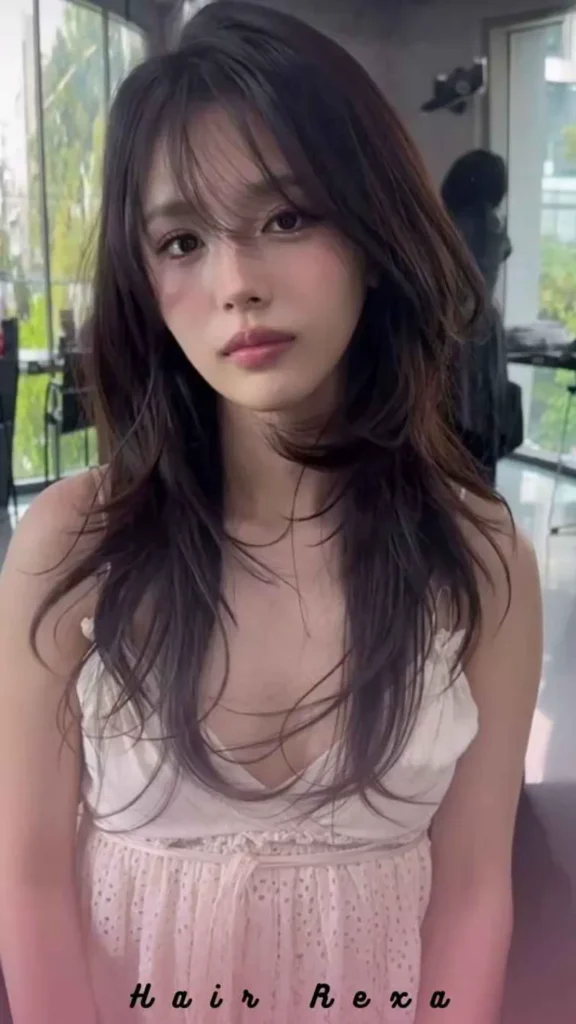
Curtain bangs are the quintessential Korean hairstyle trend of the past three years and they show zero signs of slowing down. Parted in the middle and swept lightly to each side, they frame the face like a soft curtain, drawing the eye inward toward your eyes and cheekbones. Unlike blunt bangs, they’re forgiving to grow out and versatile enough to tuck behind your ears on busier days.
The genius of curtain bangs is their universality. They work on round faces (adding vertical length), square faces (softening the jaw), and long faces (breaking up excess forehead space). They gained global traction after being worn by IU, TWICE’s Nayeon, and aespa’s Karina.
✦ Pro Tip
Ask your stylist for “point-cut” edges on curtain bangs blunt scissors create a harsh line; point-cutting creates natural, airy movement that photographs beautifully.
Must Read: Messy Bun Hairstyles That Look Cute, Clean, and Perfect for Any Occasion
Korean Wolf Cut (울프컷)
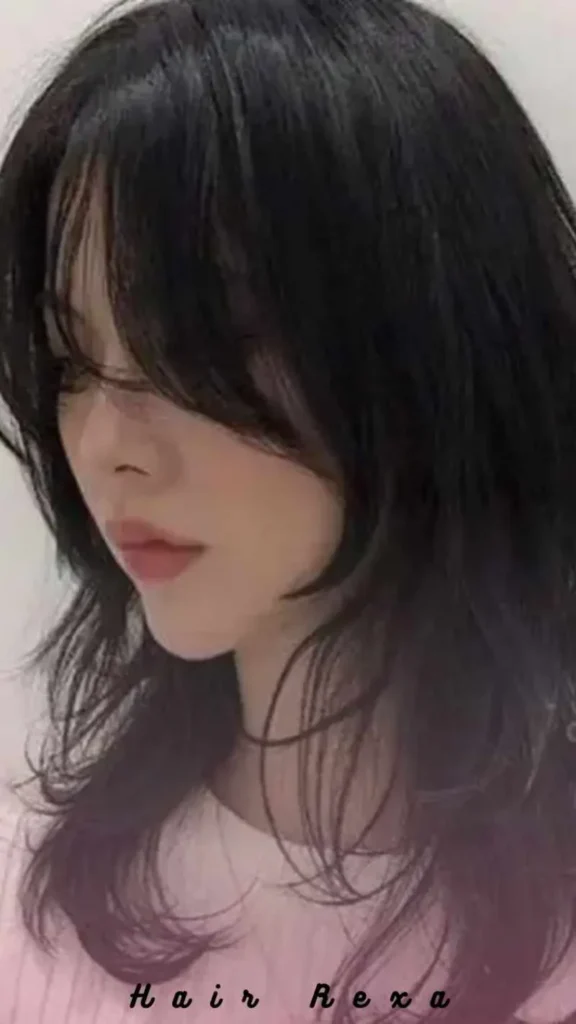
The Wolf Cut is what happens when a 1970s shag cut meets Korean precision and the internet completely loses its mind. Heavy layers at the crown create volume and texture, while longer strands at the bottom add length and drama. It’s been TikTok’s most-searched haircut for two consecutive years, largely pushed by Gen Z idol groups and Korean beauty creators.
What makes the Korean Wolf Cut distinct from its Western counterpart is the softened silhouette. Korean stylists add curtain bangs to the front and use thinning shears throughout to reduce bulk without losing shape. It works brilliantly for thick, wavy, or straight hair and suits oval, heart, and square face shapes most flatteringly.
✦ Real-Life Scenario
Mia, 24, with thick straight hair, switched from a blunt bob to a Korean Wolf Cut. She reports a 60% reduction in styling time the layers create natural texture without product.
Read More: Layered Haircuts: Simple and Stylish Cuts for Everyday Elegance
See-Through Bangs (시스루뱅)
Forehead-flattering fringe
Idol-approved classic
Low-bulk, high-impact
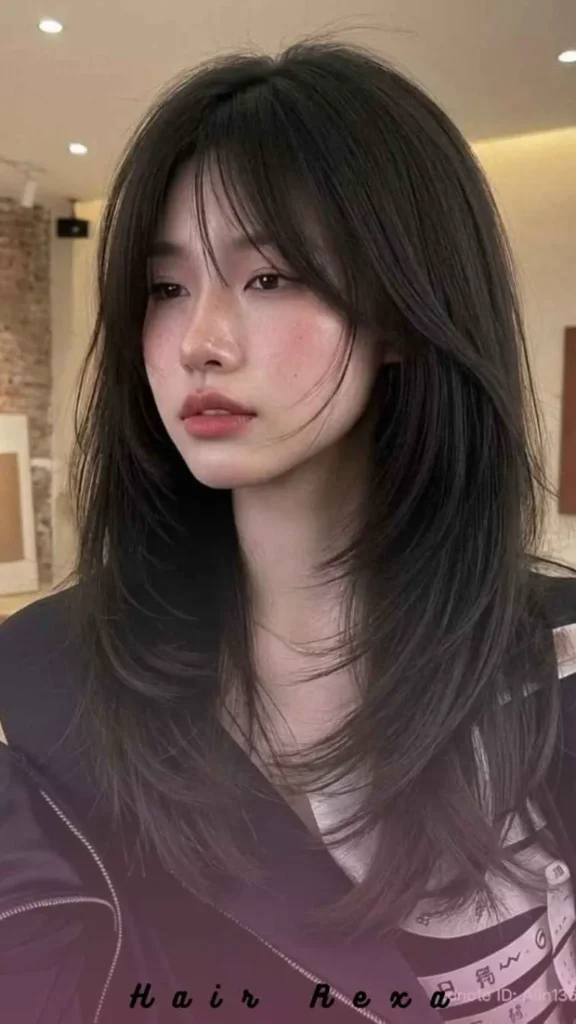
See-through bangs called “see-ru bang” in Korean are gossamer-thin fringe strips cut to sit just above or at the brows. Unlike full bangs that cover the forehead entirely, these are wispy, barely-there pieces that create a soft forehead reveal. They were popularized by BLACKPINK’s Jisoo and have remained a staple in Korean women’s hairstyle trends ever since.
The key to getting them right is cut density: your stylist should use razor-cutting or thinning shears to thin the bangs significantly before cutting them to length. This technique gives them the characteristic feathery, translucent look. They’re best suited to fine to medium hair textures thick hair creates too solid a wall of fringe to achieve the see-through effect.
✦ Style Note
Dry see-through bangs by directing your blow-dryer straight down from above this keeps them flat and silky rather than puffed upward.
Read Also: Pixie Cut Hairstyles Ideas for a Clean and Confident Look
Korean Straight Perm (매직 스트레이트)
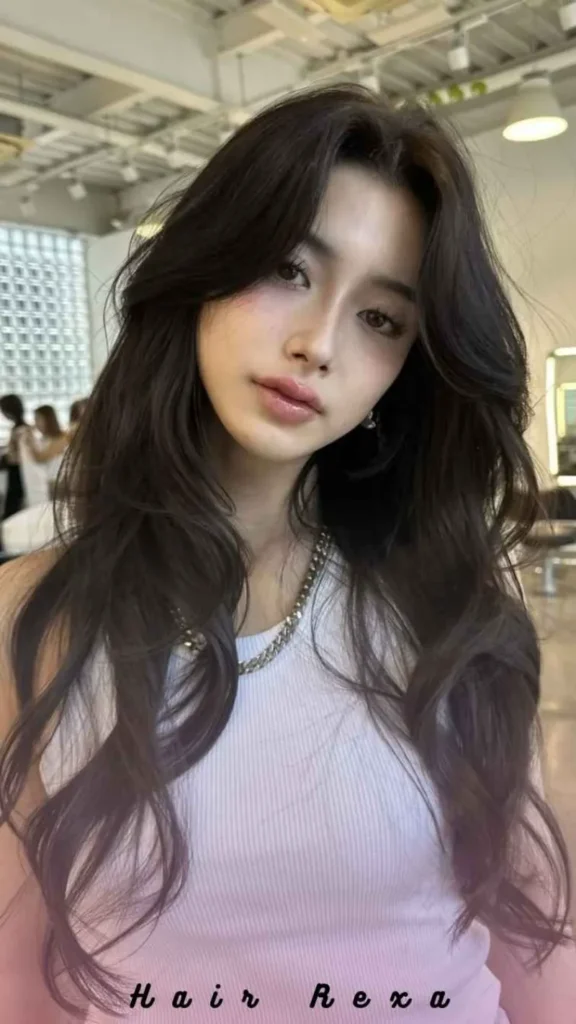
The Korean straight perm known as “magic straight” is a chemical treatment that transforms wavy or frizzy hair into silky, mirror-flat straightness that lasts four to six months. It’s fundamentally different from the Japanese Yuko system or traditional relaxers: Korean straight perms preserve more natural movement and don’t create the overprocessed, plastic-flat look of older techniques.
Seoul’s top salons have refined this treatment to work beautifully even on colored or highlighted hair a massive advantage over older straightening systems. The result is glass-like smoothness that still flows naturally when you move. It’s an ideal solution for anyone dealing with humidity-induced frizz, particularly in tropical or humid climates.
✦ Style Note
Pair the straight perm with a center part and soft curtain bangs for the ultimate clean, editorial Korean hairstyle look that dominates 2026 K-drama wardrobes.
Don’t Miss: Oval Face Shape Hairstyles for a Modern and Confident Style
C-Curl Perm (C컬 펌)
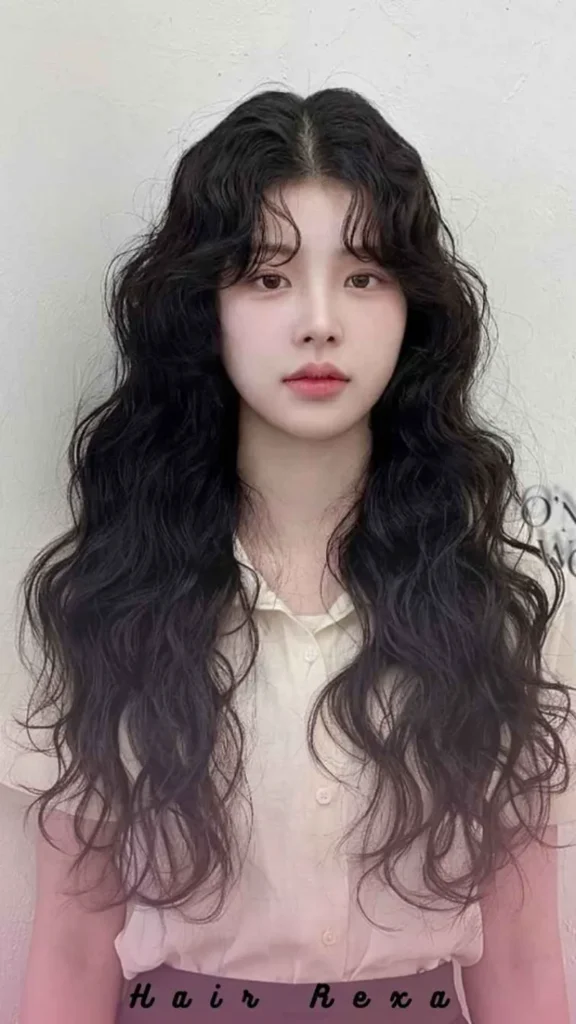
The C-curl perm is South Korea’s answer to the blowout but one that lasts weeks instead of hours. The technique curls the ends of the hair inward (or sometimes outward) into a gentle, C-shaped wave, adding body, softness, and movement without full spiral curls. It creates the effect of a professional blowout 24/7, which is exactly why it’s one of the most-requested services in Seoul hair salons.
The inward C-curl elongates the face and creates the illusion of fuller, healthier ends ideal for fine or limp hair that struggles to hold any volume. The outward C-curl (also called an “S-curl” or “wave perm” in some salons) suits rounder faces by pushing volume sideways. Both versions work with shoulder-length to long hair.
✦ Mini Case Study
Seoul-based content creator @hyunjibeauty documented her C-curl perm journey she maintained defined curls for 8 weeks using only a diffuser and silk pillowcase. Zero heat-styling required.
Korean Hime Cut (공주 스타일)
Princess-era K-drama energy
Cheek-defining layers
Oval faces shine
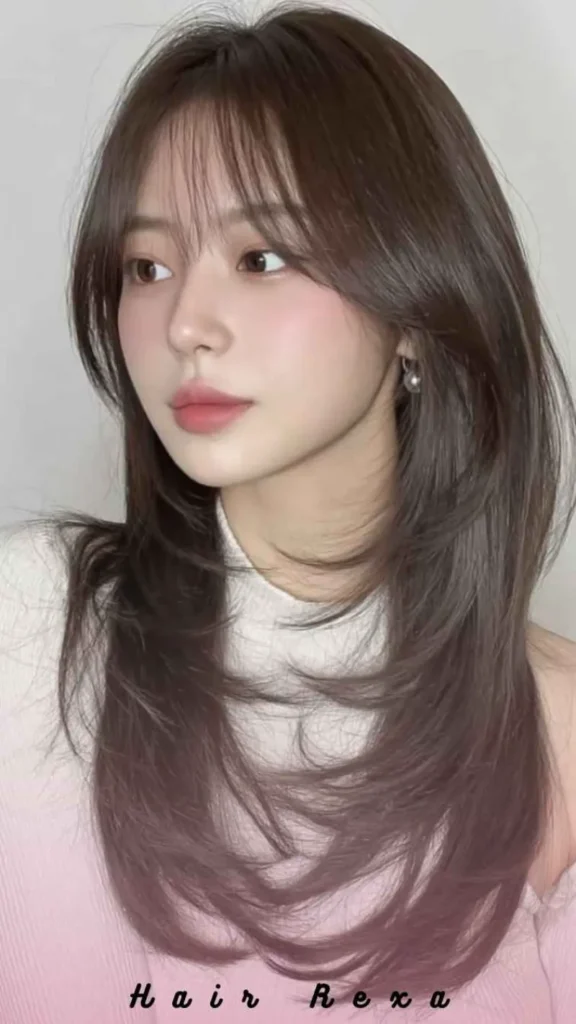
The Hime Cut meaning “princess cut” combines long flowing layers with a distinctive fringe of blunt, straight bangs and two side pieces cut shorter to frame the cheeks. It’s a Japanese-origin style that Korean stylists have adapted with softer lines and lighter layering to suit more modern tastes. The result is regal, romantic, and remarkably effective for oval and heart-shaped faces.
What makes the Korean adaptation unique is the softening of the cheek panels: instead of harsh, geometric side pieces, Korean stylists cut these at an angle and thin them out for a gentler, more wearable silhouette. It photographs exceptionally well, which explains its consistent popularity among idol groups and Korean film actresses.
✦ Style Note
Use a ceramic flat iron on the lowest heat setting to smooth the front pieces of the Hime Cut the silkier the fringe, the more polished the overall style looks.
Korean Bob (단발머리)
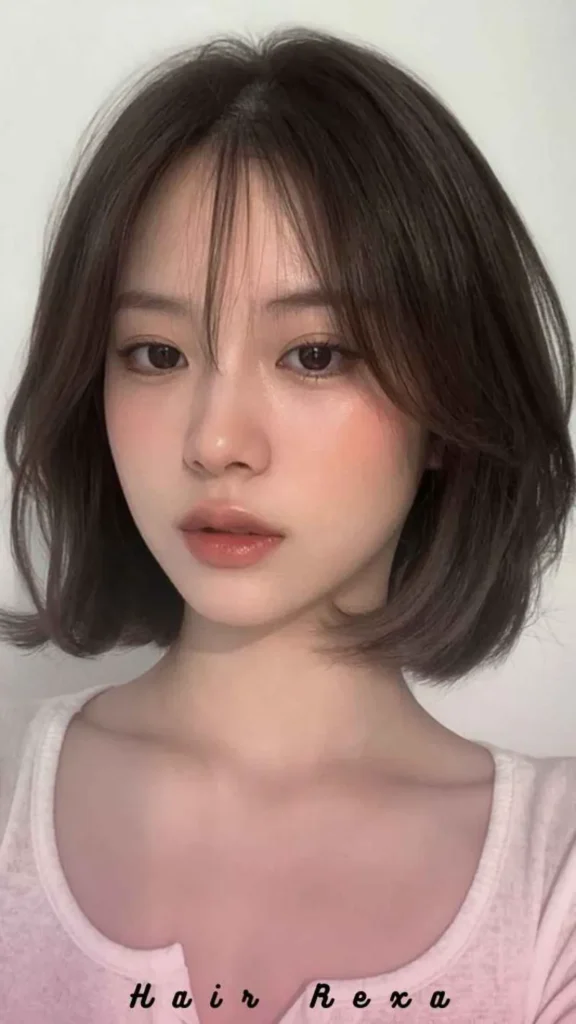
The Korean bob “danbalmori” is arguably the most sophisticated version of the classic bob cut in existence. It sits at chin to collarbone length, is almost always cut with precision-point cutting at the ends for texture, and typically features an asymmetric or slightly angled hem. What distinguishes it from a standard Western bob is the interior layering: Korean stylists add invisible layers inside the cut to reduce bulk and create natural C-curl movement at the ends without chemical perms.
In 2026, the preferred variation is the “glass bob” ultra-smooth, glossy, and cut with the utmost precision to hang in a perfect arc. It’s been worn by SNSD’s Taeyeon, NewJeans’ Hanni, and has completely dominated Korean street fashion for the past 18 months. Best suited to straight to slightly wavy hair and most face shapes, particularly oval, round, and square.
✦ Example
New Jeans made the Korean bob a global phenomenon in 2023. By 2025, salon searches for “Korean bob cut” have increased 340% in non-Asian markets, according to multiple beauty trend reports.
Half-Up Heart Bun (하트 반묶음)
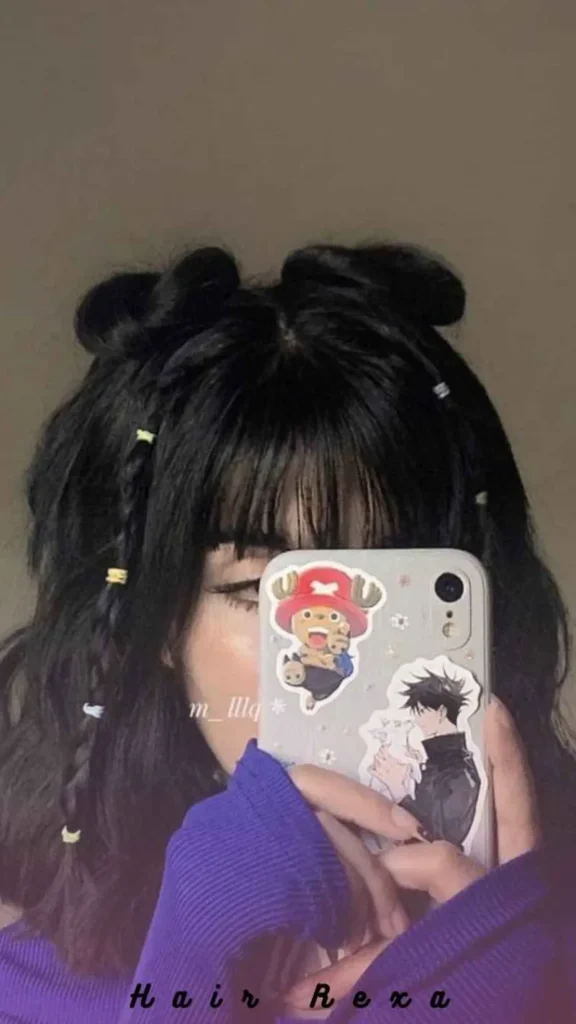
The half-up heart bun is a playful, Y2K-revived Korean hairstyle where a section of hair at the crown is gathered and looped into a heart shape, with the rest falling loose. It requires only a few bobby pins and five minutes yet photographs like it took an hour. Korean social media creators have made it one of the most shared “easy hairstyle” tutorials across TikTok and Instagram Reels globally.
The style suits virtually any hair texture though it looks most defined on straight to wavy hair between shoulder and mid-back length. It’s become particularly popular as a school or casual weekend hairstyle among Korean teens and young adults, and has crossed over internationally as part of the broader “cute aesthetic” movement in fashion.
✦ Style Note
Create the heart bun with a clear elastic, then gently pull the loop apart to form the top of the heart before pinning the base. Lightly backcomb the bun for more defined heart symmetry.
Textured Pixie (픽시컷)
Boldest K-beauty statement
Instant face-slimming
Zero-maintenance option
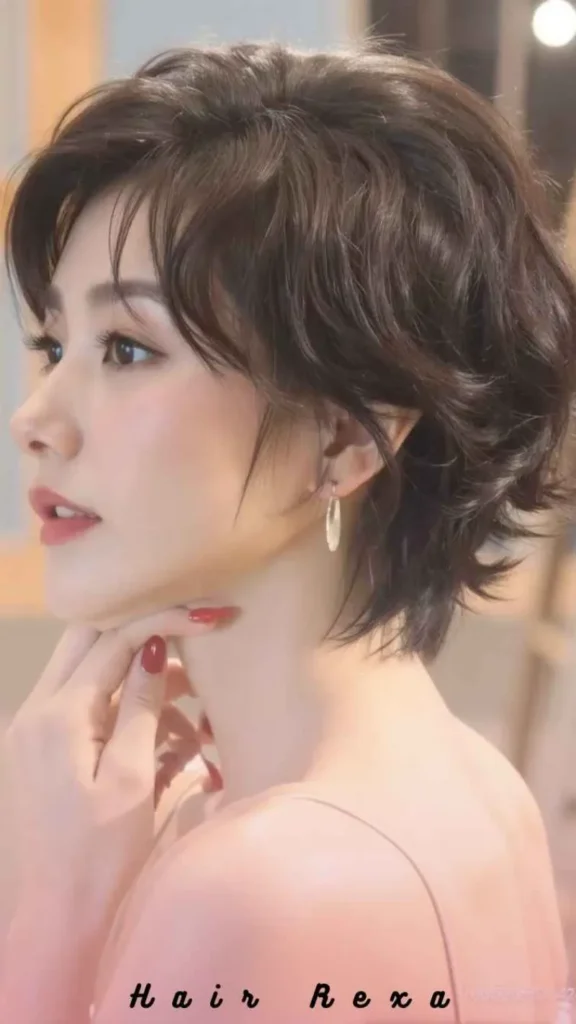
The Korean pixie cut takes a classic short style and elevates it with heavy point-cutting, textured layers, and usually a side-swept fringe that avoids any trace of severity. Unlike the close-cropped Western pixie, the Korean version leaves more length at the top allowing for intentional styling: tousled and lived-in for everyday, or slicked and sculptural for special occasions.
This is the go-to choice for anyone pursuing a bold transformation with maximum face-slimming effect. It works best on oval, heart, and oblong faces. Korean actresses like Go Youn-jung and Jeon Yeo-been have both rocked variations of the Korean pixie to critical acclaim, sparking global demand for the style.
✦ Pro Tip
Apply a pomade or clay wax through slightly damp hair after rough-drying. Pixies in Korea are almost always finished with a matte texture product never shiny gel, which looks dated.
Layered Lob (레이어드 롱밥)
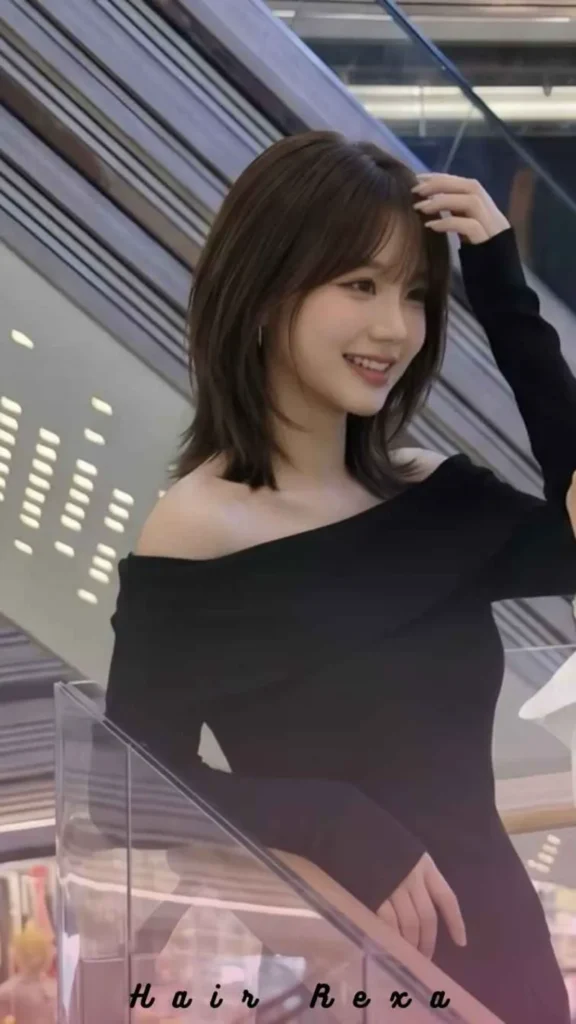
The layered lob a long bob with strategic interior layers is the workhorse of Korean hairstyles. It’s the style most frequently recommended by Korean stylists to first-time clients precisely because it flatters almost every face shape, works with every hair texture, and photographs beautifully from any angle. Lengths typically fall between the collarbone and the mid-chest.
Korean-style layering on a lob is done almost entirely below the surface the exterior silhouette stays clean while internal layers reduce weight and create bounce. It’s paired frequently with see-through bangs or curtain bangs, and ends are typically finished with a C-curl perm for longevity. Think of it as the Swiss Army knife of Korean hairstyles.
✦ Style Note
Blow-dry the layered lob with a paddle brush for a sleek look, or wrap sections around a 32mm barrel iron for relaxed waves both finishes look intentionally styled.
Korean Mullet (머리숱 컷)
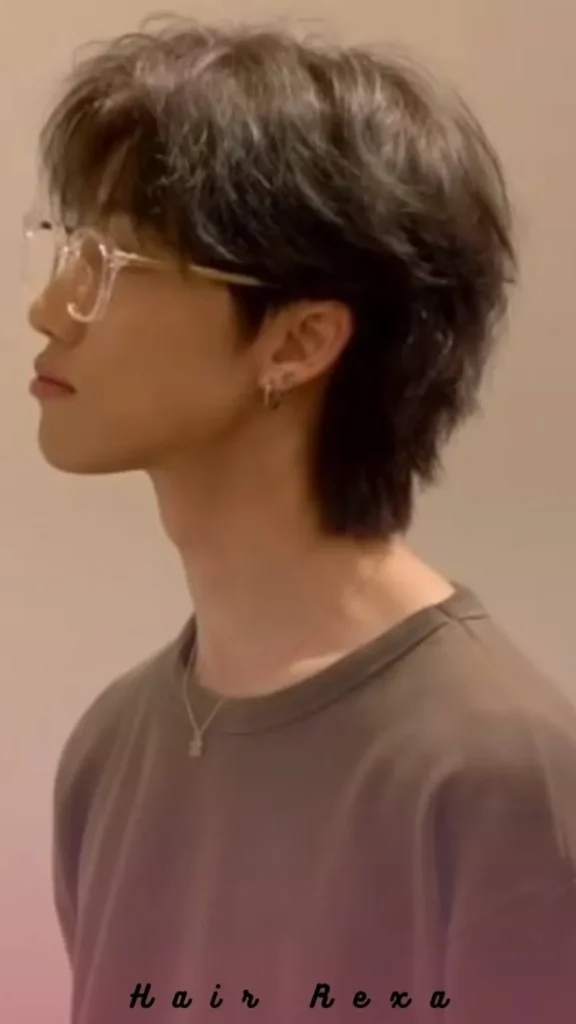
Yes the mullet is having a serious Korean moment. But this is not your uncle’s haircut. The Korean mullet (sometimes called the “shullet” a shag-mullet hybrid) features voluminous, heavily layered crown sections with a longer nape that falls naturally rather than being dramatically defined. It’s softer, more androgynous, and built for texture and movement rather than contrast.
The style has become particularly dominant in the Korean indie music and streetwear scene, worn by artists like Lee Hyun and musicians on the Hybe and SM rosters. It suits square and oval faces most, where the volume at the crown adds upward interest and the longer back avoids making the jaw appear wider.
Romantic Long Waves (웨이브 머리)
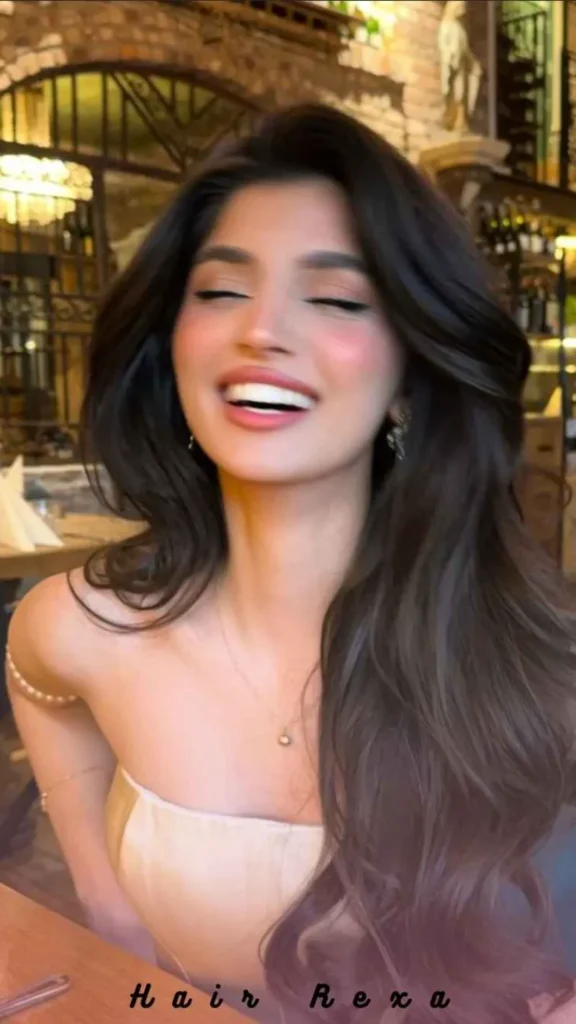
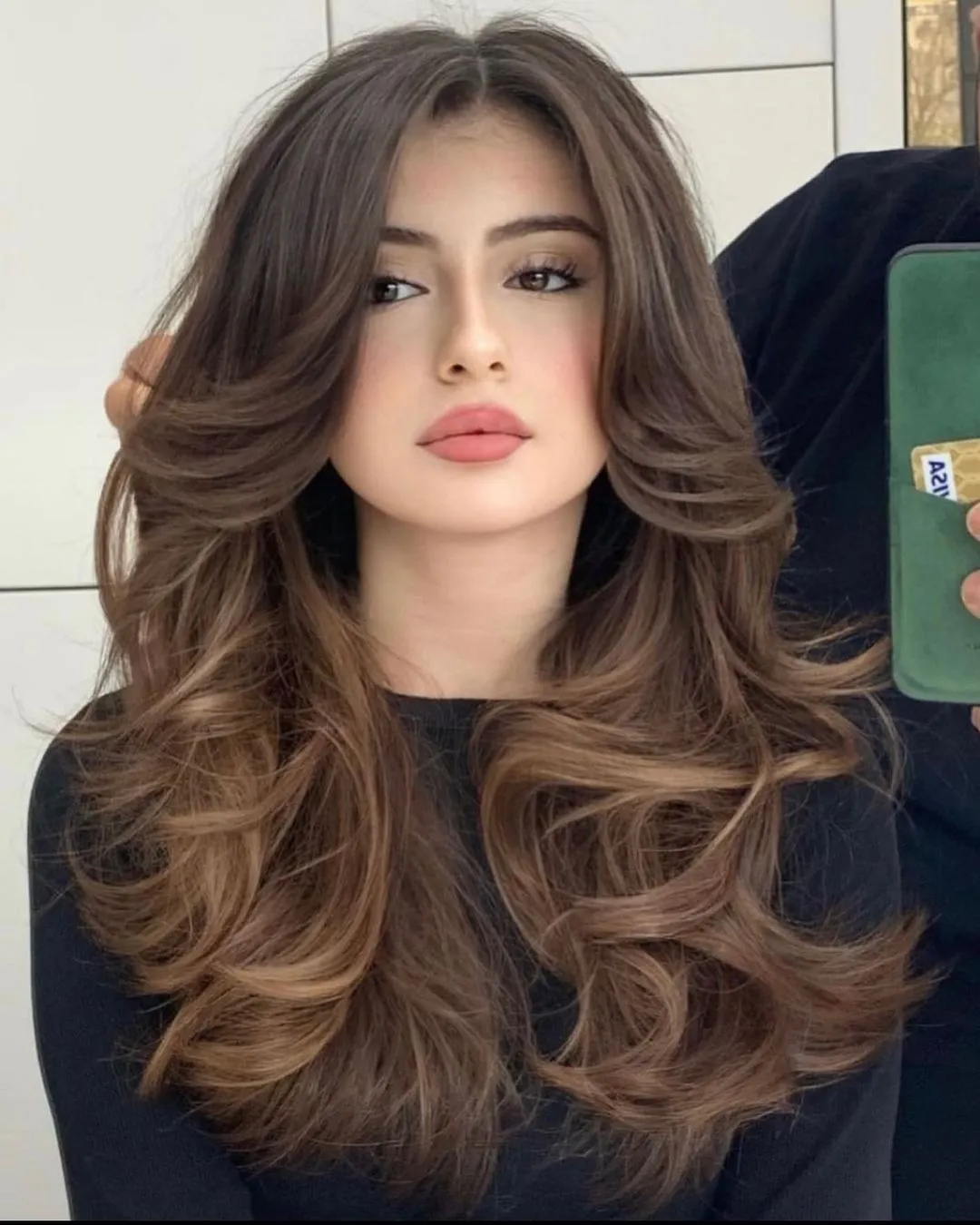
Long, romantic waves achieved either through a body wave perm or regular heat styling represent the “femme fantasy” end of Korean hairstyle aesthetics. These aren’t tight ringlets or structured Hollywood waves; they’re loose, beachy, effortlessly tousled lengths that fall past the shoulders and catch the light with every movement. This look is synonymous with the K-drama romantic lead.
Maintaining long waves in the Korean style requires a strict hair care hierarchy: bond-repairing treatments (like Olaplex or equivalent Korean alternatives), silk pillowcases, and regular gloss treatments to maintain the high-shine finish that differentiates “healthy waves” from “heat-damaged waves.” The effort is visible and worth it.
✦ Pro Tip
Leave your waves to cool completely in the barrel curl shape before releasing them. Releasing too early = loose waves. Brush out cooled waves gently with your fingers not a brush to preserve definition.
Idol Undercut (아이돌 언더컷)
Stage-ready drama
Hidden for daily wear
Androgynous cool factor
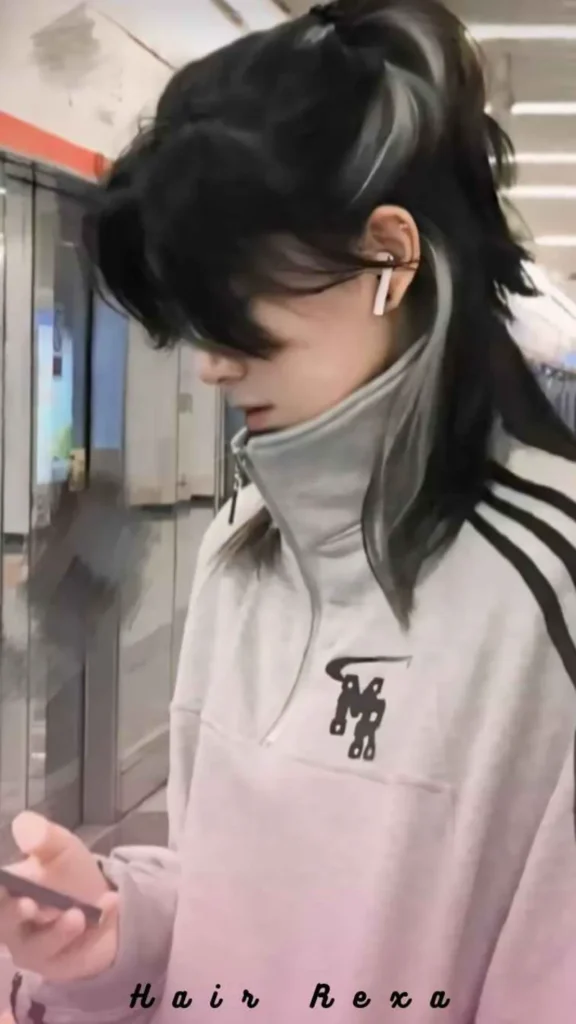
Popularized in Korean male idol circles and increasingly crossing into women’s hairstyle territory, the idol undercut involves shaving or closely trimming the nape and sometimes the sides, while leaving the top long and styled. In Korean idol groups, male members often pair this with a dramatic slicked-back or parted top section creating a high-contrast, editorial look that photographs powerfully under stage lighting.
For women, the Korean undercut is often hidden beneath longer outer layers a “stealth undercut” that adds a cool, unexpected element when hair is pinned up. It’s particularly popular among Korean women in creative industries as a quiet signal of individuality within a conservative aesthetic framework.
Blunt Micro Bangs (미니 뱅)
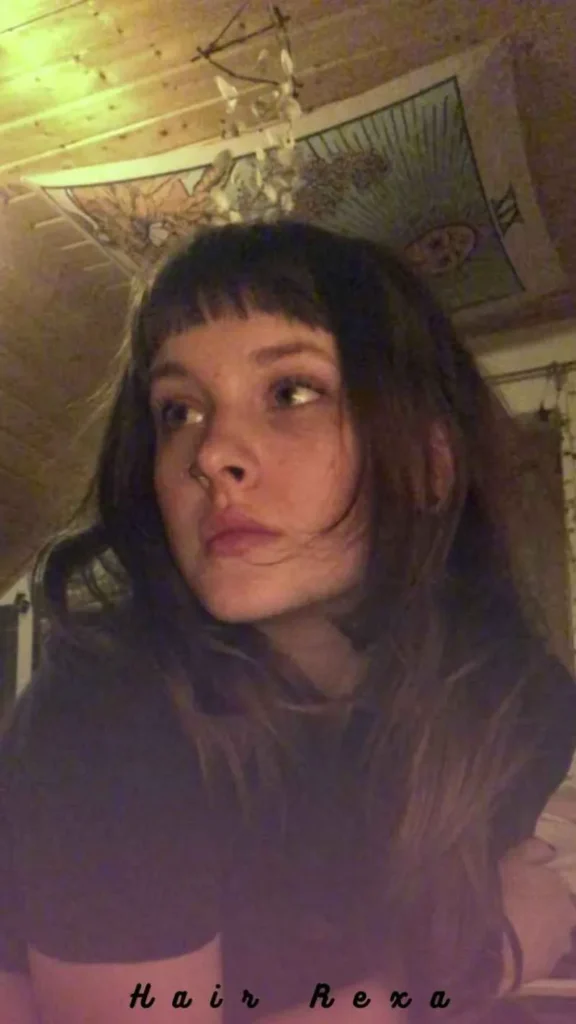
Micro bangs cut to sit well above the brows, sometimes at mid-forehead are the most avant-garde Korean hairstyle on this list. They’re a statement, a commitment, and a test of confidence. But executed well on the right face shape, they’re also completely stunning. They sit at the intersection of K-fashion and high-concept editorial style and are most frequently seen on Korean fashion week runways and idol-group comeback concepts.
Micro bangs suit oval and long face shapes best they visually shorten the face and draw the eye to the upper third of the features. They’re high-maintenance in terms of trimming frequency (every three to four weeks), but low-maintenance in terms of daily styling a simple blow-dry straight down is all they need.
✦ Style Note
Pair micro bangs with bold, graphic eye makeup a sharp eyeliner wing or a smudged smoky look. The short fringe creates a natural frame that amplifies eye-focused makeup dramatically.
Still Deciding? Here’s a Quick Comparison
Compare all 14 Korean hairstyles across difficulty, maintenance, face shape compatibility, and more.
| Hairstyle | Difficulty | Maintenance | Best Face Shapes | Pros | Cons |
|---|---|---|---|---|---|
| Curtain Bangs | Easy | Low–Medium | All shapes | Universally flattering · Easy to grow out | Needs regular trimming every 4–6 wks |
| Wolf Cut | Medium | Medium | Oval, Heart, Square | Lots of texture · Reduces styling time | Tricky to grow out gracefully |
| See-Through Bangs | Easy | Low | Round, Oval | Delicate · Idol-inspired · Low bulk | Doesn’t suit thick hair types |
| Magic Straight Perm | Salon Only | Low (post-treatment) | All shapes | Frizz-free · Long-lasting · Glass finish | Costly · Reduces curl if hair is wavy |
| C-Curl Perm | Salon Only | Low | Round, Oval, Long | Built-in volume · No daily styling | Fades in 6–10 weeks · Chemical process |
| Hime Cut | Medium | Medium–High | Oval, Heart | Romantic · Unique · Highly photogenic | Requires precise upkeep of cut panels |
| Korean Bob | Easy | Low–Medium | Oval, Round, Square | Classic · Versatile · Always in style | Needs frequent trims to maintain shape |
| Half-Up Heart Bun | Easy | Very Low | All shapes | Cute · 5-minute style · Great for photos | Casual only · Not suitable for formal events |
| Textured Pixie | Medium | High | Oval, Heart, Oblong | Bold · Face-slimming · Low product use | Grows out unevenly without regular trims |
| Layered Lob | Easy | Low | All shapes | Most versatile Korean cut available | Can look flat if not layered correctly |
| Korean Mullet | Medium | Medium | Square, Oval | Editorial · Textured · Trending upward | Polarizing · Challenging to grow out |
| Romantic Long Waves | Medium | High | Oval, Square, Oblong | Glamorous · Versatile · K-drama aesthetic | Heat damage risk · Time-intensive styling |
| Idol Undercut | Salon Only | Medium–High | Oval, Square | Edgy · Androgynous · Dramatic | Difficult to reverse · Not office-friendly |
| Micro Bangs | Medium | High | Oval, Long | High-fashion · Brave · Extremely stylish | Trims every 3–4 weeks · Divisive look |
Conclusion
Korean hairstyles represent one of the most thoughtful, face-aware approaches to hair design in the world. Whether you choose the enduring Korean bob, the bold wolf cut, or the gentle curtain bangs that started a global trend, the underlying principle is the same: cut for your face, style for your life, and care for your hair like it matters.
The 14 Korean hairstyle ideas in this guide cover the full spectrum from two-minute half-up buns to salon-only chemical treatments. Start with the comparison table, identify which styles match your face shape and lifestyle, and take that reference photo to your next salon appointment.
Practical Tips & Expert Insights
Actionable strategies from real-world Korean hairstyling experience
Always request a consultation first
Korean hairstyles depend on bone structure analysis. Even 10 minutes of face-mapping discussion saves you from a style that doesn’t translate on your features.
Invest in a good hair serum
Korean stylists almost universally finish cuts with a lightweight argan or camellia oil serum. This creates the glass-shine finish that defines the aesthetic.
Cold water rinse always
Finish every wash with a cold water rinse. It seals the hair cuticle, reduces frizz, and is the most consistent at-home tip shared by Korean salon professionals.
Show reference photos from the back
Most clients show front angles only. Show your stylist the back and side profile too Korean hairstyles have carefully designed silhouettes from all angles.
Match your lifestyle, not just your mood
A C-curl perm looks gorgeous but requires specific care. Be honest about how much morning styling time you actually have before committing to a high-effort style.
Regular bond-repair treatments
Korean hair culture prioritizes hair health above everything. Monthly bond-repair masks (Olaplex, K18, or equivalent) maintain the integrity that makes all these styles look their best.
FAQ’S About Korean Hairstyle
What is the most popular Korean hairstyle for women in 2026?
The glass bob and layered lob with curtain bangs are currently the most searched and requested Korean hairstyles globally in 2026. Both are celebrated for their versatility across face shapes and their ability to look polished with minimal daily effort.
Do Korean hairstyles work for non-Asian hair types?
Absolutely. Korean hairstyling techniques particularly the curtain bangs, wolf cut, and layered lob have been successfully adapted for wavy, curly, and textured hair types worldwide. The key is finding a stylist experienced in adapting Korean cuts for your specific texture.
How often should I get a trim to maintain a Korean hairstyle?
Most Korean cuts require trims every 6–8 weeks to maintain their intended shape. Bangs (especially see-through and micro bangs) require more frequent trimming typically every 3–5 weeks to stay in their designed position.
What hair products do Korean stylists recommend?
Korean stylists typically recommend: a lightweight argan or camellia oil serum for shine, a bond-repair treatment mask (used weekly), a heat protectant spray before any hot tool use, and a flexible-hold pomade or clay for short styles. They generally advise against heavy silicone-based products that coat the hair without nourishing it.
Can I get a Korean perm if my hair is already color-treated?
Yes modern Korean perms, particularly the C-curl perm and magic straight, have been formulated to work with colored and highlighted hair. However, your stylist should assess your hair’s porosity level first. Severely bleached or over-processed hair may need a bond-building treatment before any chemical service.
Hi! I’m Mira Carter, founder of Hair Rexa with 8 years of experience in hair care and styling. I share simple tips, hairstyle ideas, and expert guidance to help you keep your hair healthy, strong, and looking fabulous every day.


